| Piú viste - From Ashes to Eternity: the Phoenix Mars Mission |

PHOE-SOL006-lg_1300.jpgIn the Sky over Vastitas Borealis... - Sol 6 (MULTISPECTRUM; credits: Lunexit)63 visiteM.L.S.T. (Mars Local Solar Time): 12:59:34
Camera Elevation: 83,7873°
Azimuth: 208,49°
MareKromium
|
|
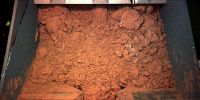
PHOE-SOL007-lg_1698.jpgUnbelievable!!!! - Sol 763 visiteAbbiamo notificato quest'oggi, alle ore 17:43 ed alle ore 17:45 CET, rispettivamente, le elaborazioni del Dr Faccin ai seguenti indirizzi NASA:
1) phxepo@lpl.arizona.edu <phxepo@lpl.arizona.edu> e
2) phx-webmaster@lpl.arizona.edu <phx-webmaster@lpl.arizona.edu>
Nessuna risposta a noi, come ovvio, ma pubblicazione, alle ore 20:20 CET (un caso più unico che raro di "solerzia") sul Sito Ufficiale Phoenix (http://phoenix.lpl.arizona.edu/), di questa elaborazione "NASA" del medesimo frame processato dal Dr Faccin, ma con un evidente shift cromatico.
Morale: non solo gli Amici di Pasadena sono arrivati "tardi", ma hanno pure copiato e cromaticamente "taroccato" la nostra elaborazione - che comunque era e rimane la PRIMA ELABORAZIONE A COLORI pubblicata sul WWW la quale rappresenta il ghiaccio di Vastitas Borealis.
Un nostro commento "al volo" ed "onesto" sul comportamento della NASA e del Max Planck Institute c/o University of Arizona? RIVOLTANTE!!!!
p.s.: esiste (ED E' VISIBILE!) una prova INCONFUTABILE che questa elaborazione è stata fatta sul frame colorizzato dal Dr Faccin. Sapreste individuarla?... Piccolo aiuto: "look up"!...MareKromium
|
|

PHOE-SOL008-MartianWinds.gifMartian Winds - Sol 8 (GIF-Movie; credits: Dr M. Faccin)63 visiteUn GIF-Movie spettacolare (magari la NASA ne facesse di simili!...) il quale ci mostra quanto forte spira il Vento su Vastitas Borealis.
Complimenti e Congratulazioni al Dr Faccin: SPLENDIDO!MareKromium
|
|
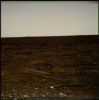
PHOE-SOL010-lg_3094-b.jpgBright Horizon... - Sol 10 (Natural Colors + MULTISPECTRUM; credits: Dr Marco Faccin & Lunexit)63 visitenessun commentoMareKromium
|
|

PHOE-SOL013-lg_3450.jpgOxidation, Evaporation or Sublimation? - Sol 13 (Superdefinition; credits: Dr M. Faccin)63 visiteCurioso...La Macchia Bianca, che nei giorni scorsi ci ha tanto intrigato, ora sembra essere diventata una "chiazza nera", per altro assai ben definita.
Questo cambiamento sarà attribuibile ad un errore umano (un errore nostro, nella fattispecie) occorso durante l'additional processing, oppure è stato proprio il nostro additional processing ad aver messo, di fatto, in luce un comportamento "curioso" da parte di un elemento che, sintanto che era confinato nel sottosuolo di Marte, aveva determinate caratteristiche (exx: di colore e consistenza) e che poi, una volta portato alla luce (e messo a contatto con la "difficile" atmosfera del Pianeta), è "mutato"?
E se fosse stato effettivamente del ghiaccio, la "chiazza scura" che vediamo adesso che cosa dovrebbe rappresentare?
Forse il residuo di una evaporazione o di una sublimazione?
E se invece si trattasse di una ossidazione? "Che cosa" si sarebbe potuto ossidare?...
Domande, domande, domande...MareKromium
|
|

PHOE-SOL022-PIA10905.jpgSnow-White - Sol 22 (MULTISPECTRUM; credits: Lunexit)63 visiteCaption NASA:"NASA's Phoenix Mars Lander began excavating a new trench, dubbed "Snow White", in a patch of Martian Soil located near the center of a polygonal surface feature, nicknamed "Cheshire Cat".
The trench is about 2 cm (0,8") deep and 30 cm (about 12") long.
The "dump pile" is located at the top of the trench, the side farthest away from the Lander, and has been dubbed "Croquet Ground". The digging site has been named "Wonderland".
At this early stage of digging, the Phoenix team did not expect to find any of the white material seen in the first trench, now called "Dodo-Goldilocks". That trench showed white material at a depth of about 5 cm (approx. 2"). More digging of Snow White is planned for coming Martian Days.
The dark portion of this image is the shadow of the Lander's Solar Panel; the bright areas within this region are not in shadow.
Snow White was dug on Sol 22 (June 17, 2008) with Phoenix's Robotic Arm. This picture was acquired on the same day by the lander's Surface Stereo Imager. This image has been enhanced to brighten shaded areas". MareKromium
|
|

PHOE-SOL022-lg5762-5764-5771.jpgSnow-White - Sol 22 (Superdefinition; credits: Dr G. Barca)63 visitenessun commentoMareKromium
|
|

PHOE-SOL020-024-GIF1.gifEvaporation or Sublimation? Water or CO2? (GIF-Movie; credits: Dr M. Faccin)63 visitenessun commentoMareKromium
|
|
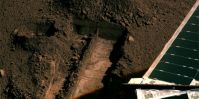
PHOE-SOL026-lg7166-7167-7168.jpgCheck inside the trench... - Sol 26 (natural colors; credits: Dr G. Barca)63 visitenessun commentoMareKromium
|
|
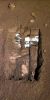
PHOE-SOL024-lg_6965_(1).JPGWatch CAREFULLY! - Sol 24 (natural colors; credits: Dr M. Faccin)63 visitenessun commentoMareKromium
|
|
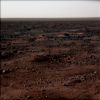
PHOE-SOL031-lg7767-7768-7769.jpgFoggy Horizon - Sol 31 (natural colors; credits: Dr G. Barca)63 visitenessun commentoMareKromium
|
|
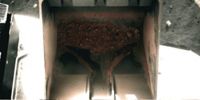
PHOE-SOL035-lg8615-8616-8617.jpgScooping Away! - Sol 35 (natural colors + MULTISPECTRUM; credits: Dr G. Barca & Lunexit)63 visitenessun commentoMareKromium
|
|
| 399 immagini su 34 pagina(e) |
 |
|
|
|
|
|
|
31 | |
|
|








