| Piú viste - After One-Thousand Soles... |
OPP-SOL1198-1P234544591EFF84PKP2431R2M1-PCF-LXTT.jpgTAU Monitoring - Sol 1198 (Absolute Natural Colors; credits for the additional process. and color.: Dr Paolo C. Fienga - Lunexit Team)59 visitenessun commentoMareKromium
|
|
OPP-SOL1198-1N234543912EFF84PKP1915R0M1-PCF-LXTT.jpgTAU Monitoring - Sol 1198 (Absolute Natural Colors; credits for the additional process. and color.: Dr Paolo C. Fienga - Lunexit Team)59 visitenessun commentoMareKromium
|
|
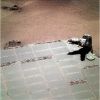
OPP-SOL2811-3-2.jpgSolar Panel and Surface - Sol 2811 (Natural Colors; credits for the additional process. and color.: Dr Gianluigi Barca - Lunexit Team) 59 visitenessun commentoMareKromium
|
|

SOL1022-2F217093881EFFAS11P1201R0M1.jpgLight clouds over the hills... (1) - Sol 102258 visitenessun commentoMareKromium
|
|
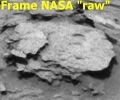
SOL1041-2R218777640EFFAS64P1301R0M1-01.jpgFrom the "b&w raw material" to a "decent color-frame": step 1 (to find the "raw" detail)58 visiteUn esempio, in tre (semplici) passaggi, di come un dettaglio interessante, ma "crudo" e di qualità veramente scarsa - notate la pixellatura assolutamente irregolare (che, anche con un modestissimo ingrandimento, si "sgrana" e rende il frame inguardabile) e gli innumerevoli photoartifacts - diventa un frame ingrandibile, guardabile ed a colori (secondo noi molto più veri e realistici di quanto la NASA produce).
Osservate i tre frames e quindi giudicate Voi stessi.
|
|
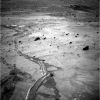
SOL1041-2N218780018EFFAS81P0700L0M1.jpgDeep Rover Tracks and rocks - Sol 104158 visitenessun commento
|
|

OPP-SOL1027-1N219361593EFF77HRP1986R0M1.jpgVictoria Crater (3) - Sol 102758 visitenessun commento
|
|
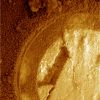
SOL1070-2M221356101EFFASCGP2936M2M1.jpgThe texture of the "reef" (False Colors; credits: Lunexit)58 visiteImmagini ravvicinate e davvero difficili da commentare: la tessitura della roccia Marziana intaccata dalle dotazioni di Spirit (forse si intravede anche il "marchio" dello Spettrometro) denuncia la sua natura "umida" - anche se il Dr Feltri, probabilmente con ampia ragione, direbbe "fibrosa".
Al di sotto dello strato, ora più ed ora meno sottile di polveri arancio/rossastre e marroni, infatti, la superficie del Pianeta si mostra per quello che è: in questo caso, ad esempio, vediamo bene diversi strati di materiale (roccia?) molto fragile che, laddove pressato, si spacca così come farebbe una parete fabbricata con semplici sabbie compattate da azioni eoliche - ed intrise di ghiaccio - la quale venisse sottoposta a pressione localizzata.
Risultato? La parete di sabbia si "crepa" e, nei punti di frattura, ci permette di dare un'occhiata alla sua tessitura interna (frame precedente - "inside the crack"). Guardate bene...MareKromium
|
|

OPP-SOL1055-1P221849069EFF78AZP2449R2M1.jpgVictoria's Panorama (5) - Sol 105558 visitenessun commento
|
|

OPP-SOL1055-1N221847687EFF78AZP0645R0M1.jpgVictoria's Panorama (3) - Sol 105558 visitenessun commento
|
|

OPP-SOL1055-1N221847584EFF78AZP0645R0M1.jpgVictoria's Panorama (1) - Sol 105558 visitenessun commento
|
|
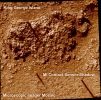
SOL1031-PIA09092-RA6-mi-king-george_annotated.jpgThe "granules" of King George Island58 visiteCaption NASA originale:"This mosaic was made from frames acquired by the MI - Microscopic Imager on NASA's MER Spirit during Spirit's 1031st Martian Day, or Sol, on the Red Planet (such as Nov. 27, 2006). It shows a rock target called "King George Island" after the target was brushed by the Rover's RAT - Rock Abrasion Tool.
The mosaic covers approx. 6 cm (2,4") across and shows the granular nature of the rock exposure. The grains are typically about 1 mm (0,04") wide.
Data from the Rover's Mössbauer Spectrometer provides evidence that they have an enhanced amount of the mineral Hematite relative to surrounding soils".
|
|
| 2388 immagini su 199 pagina(e) |
 |
|
|
|
|
112 | |
|
|
|
|





