| Ultimi arrivi - SOLAR SYSTEM |
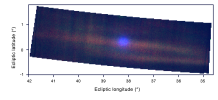
3I-ATLAS_11.jpg3I/Atlas from 164 MKM147 visiteInterstellar Object 3I/ATLAS from a distance of around 102 MMs.MareKromiumMar 03, 2026
|
|

3I-ATLAS_09.jpg3I/ATLAS on December 16, 2025142 visitenessun commento
MareKromiumDic 18, 2025
|
|

3I-ATLAS_08~0.jpgComet 3I/ATLAS Seen With Gemini North | NOIRLab102 visitenessun commentoMareKromiumDic 18, 2025
|
|

3I-ATLAS_06.gif3I/ATLAS from ExoMars Trace Gas Orbiter (TGO)85 visitenessun commentoMareKromiumDic 18, 2025
|
|
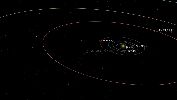
3I-ATLAS_05.gif3I/ATLAS - Orbital Path (GIF-Movie)74 visitenessun commentoMareKromiumDic 18, 2025
|
|
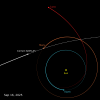
3I-ATLAS_04.png3I/ATLAS Orbital Path89 visitenessun commentoMareKromiumDic 18, 2025
|
|
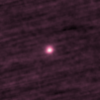
3I-ATLAS_02.gif3I/ATLAS93 visiteThis image shows the 3I/ATLAS interstellar comet as a bright, fuzzy orb in the center. Traveling through our solar system at 130,000 miles (209,000 kilometers) per hour, 3I/ATLAS was made visible by using a series of colorized stacked images from Sept. 11-25, using the Heliocentric Imager-1 (H1) instrument, a visible-light imager on the STEREO-A (Solar Terrestrial Relations Observatory) spacecraft. The colorization was applied to differentiate the image from other observing spacecraft images.MareKromiumDic 18, 2025
|
|
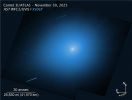
3I-ATLAS_01.gif3I/ATLAS from the HST96 visitenessun commentoMareKromiumDic 18, 2025
|
|
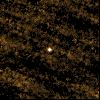
3I-ATLAS_00.gif3I/ ATLAS - PUNCH Mission spots84 visiteMareKromiumDic 18, 2025
|
|

Voyagers-InterstellarSpace9-jpg.jpgVoyager 1 is still alive!149 visitenessun commentoMareKromiumFeb 04, 2024
|
|

Voyagers-InterstellarSpace8d.jpgThe Infinite and Beyond162 visitenessun commentoMareKromiumFeb 04, 2024
|
|

Enceladus-PIA20522enceladusC.jpgCrescent Enceladus (Credits: NASA/JPL/Cassini Imaging Team)131 visitePeering from the shadows, the Saturn-facing hemisphere of tantalizing inner moon Enceladus poses in this Cassini spacecraft image. North is up in the dramatic scene captured during November 2016 as Cassini's camera was pointed in a nearly sunward direction about 130,000 kilometers from the moon's bright crescent. In fact, the distant world reflects over 90 percent of the sunlight it receives, giving its surface about the same reflectivity as fresh snow. A mere 500 kilometers in diameter, Enceladus is a surprisingly active moon. Data and images collected during Cassini's flybys have revealed water vapor and ice grains spewing from south polar geysers and evidence of an ocean of liquid water hidden beneath the moon's icy crust.MareKromiumDic 31, 2023
|
|
| 4548 immagini su 379 pagina(e) |
 |
3 | |
|
|
|
|
|
|
|
|





