| Ultimi arrivi - SOLAR SYSTEM |
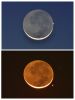
ZG-Mercury_occulted_by_the_Moon-2026Feb18-Melandri.jpgOccultation (Credit & Copyright: Fabrizio Melandri)165 visitenessun commentoMareKromiumApr 26, 2026
|
|
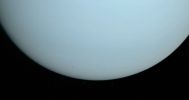
Z-Thalassa_and_Despina.jpgThalassa and Despina transiting (Credits: NASA/JPL - Voyager 2 Mission; Credits for the additional process.: "zelario12" - https://creativecommons.org/licenses/by-sa/2.0/deed.en)137 visitenessun commentoMareKromiumApr 26, 2026
|
|
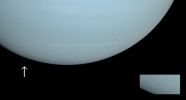
Z-Naiad.jpgNaiad transiting Neptune (Credits: NASA/JPL - Voyager 2 Mission; Credits for the additional process.: "zelario12" - https://creativecommons.org/licenses/by-sa/2.0/deed.en)112 visitenessun commentoMareKromiumApr 26, 2026
|
|
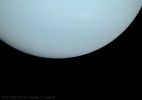
Z-Despina.jpgDespina transiting Neptune (Credits: NASA/JPL - Voyager 2 Mission; Credits for the additional process.: "zelario12" - https://creativecommons.org/licenses/by-sa/2.0/deed.en)132 visiteImmagine molto "datata", ma sempre molto bella ed ottimamente elaborata da tale "zelario12", al quale faccio i miei complimenti.MareKromiumApr 26, 2026
|
|
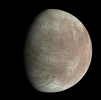
Europa_-_PIA26331-_JunoCam_6solgdm_width-1320.pngEuropa from Juno (Credits: Image data: NASA/JPL-Caltech/SwRI/MSSS; Image processing: Björn Jónsson)147 visiteJupiter’s moon Europa was captured by the JunoCam Instrument aboard NASA’s Juno Spacecraft during the Mission’s close flyby on Sept. 29, 2022. Data from NASA’s Juno mission has provided new insights into the thickness and subsurface structure of the icy shell encasing Jupiter’s moon Europa. Using the spacecraft’s Microwave Radiometer (MWR), mission scientists determined that the shell averages about 18 miles (29 kilometers) thick in the region observed during Juno’s 2022 flyby of Europa. The Juno measurement is the first to discriminate between thin and thick shell models that have suggested the ice shell is anywhere from less than half a mile to tens of miles thick.
Slightly smaller than Earth’s moon, Europa is one of the solar system’s highest-priority science targets for investigating habitability. Evidence suggests that the ingredients for life may exist in the saltwater ocean that lies beneath its ice shell. Uncovering a variety of characteristics of the ice shell, including its thickness, provides crucial pieces of the puzzle for understanding the moon’s internal workings and the potential for the existence of a habitable environment.MareKromiumApr 08, 2026
|
|
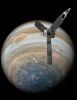
Jupiter-Juno-2024-1-Ita.jpgJ & J111 visiteAlcune informazioni di base: dopo un viaggio durato più di cinque anni, la sonda Juno è entrata in orbita attorno a Giove il 4 luglio 2016. Distanza dalla Terra: 1,74 miliardi di miglia. Il 24 ottobre ha effettuato il suo ottavo sorvolo ravvicinato, attraversando la coltre nuvolosa del pianeta e avvicinandosi a soli 3.400 chilometri dalla superficie di Giove. La sua missione? Raccogliere dati e immagini del pianeta più grande del nostro Sistema Solare da trasmettere sulla Terra.
Dopo un ritardo (Fase Iniziale) nella trasmissione dei dati, dovuto a una congiunzione solare che ha interrotto le comunicazioni tra Giove e la Terra a causa dell'eccessiva vicinanza al Sole, le informazioni, memorizzate nella sonda Juno, sono arrivate alla NASA e i risultati sono sorprendenti. Le immagini mostrano i misteriosi Poli Nord e Sud del pianeta, così come gigantesche tempeste di gas.
In attesa di nuovi sorvoli, vi mostriamo alcune splendide immagini trasmesse dalla sonda relative al gigante gassoso, il quinto pianeta del Sistema Solare.MareKromiumApr 07, 2026
|
|

Jupiter-Juno-2024-Intro.jpgатмо�ферна� турбулентно�ть136 visite????????? ???? ? ???????????: ????? ????? ??? ??????????? ??????????? ??????????? ??????? Juno ????? ?? ?????? ?????? ??????? 4 ???? 2016 ????. ?????????? ?? ?????: 1,74 ????????? ????. 24 ??????? ?? ???????? ???? ??????? ??????? ??????, ?????? ?????? ???????? ?????? ??????? ? ????????????? ? ??????????? ??????? ?? ?????????? ????? 3400 ??????????. ??? ??????? ??????? ?????? ? ??????????? ?????????? ??????? ????? ????????? ??????? ??? ???????? ?? ?????.
????? ???????? (????????? ????) ? ???????? ??????, ????????? ????????? ???????????, ?? ????? ???????? ????? ????? ???????? ? ?????? ???? ???????? ??-?? ??? ?????????? ???????? ? ??????, ??????????, ?????????? ? ????? Juno, ????????? ? ????, ? ?????????? ????????????. ?? ???????????? ????? ?????????? ???????? ? ????? ?????? ???????, ? ????? ?????????? ??????? ????.
? ???????? ????? ??????? ???????? ?? ??????? ??? ????????? ?????????? ???????????, ?????????? ??????, ??????????? ? ???????? ???????, ????? ??????? ????????? ???????.MareKromiumApr 07, 2026
|
|
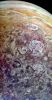
Jupiter-Juno-2024-Arabic-3.jpgتلاطم جوی126 visite?? ?? ???? ??? ?? ??? ???? ???????? ???? ?? ? ????? ???? ?? ???? ????? ????. ????? ?? ????: ?.?? ??????? ????. ?? ?? ?????? ?????? ????? ????? ??? ?? ????? ??? ? ?? ???? ???? ???? ????? ???? ??? ? ?? ????? ???? ???? ???????? ??? ????? ????. ??????? ??? ???????? ??????? ? ?????? ?? ???????? ????? ?????? ???? ???? ????? ?? ????.
?? ?? ????? (????? ?????) ?? ?????? ???????? ?? ???? ?? ?????? ??????? ?? ?? ?? ???????? ??? ????? ? ???? ?? ???? ?????? ??? ?? ?? ?? ?? ?????? ??? ??? ??????? ????? ??? ?? ?????? ???? ?? ???? ???? ? ????? ?????????? ???. ??????? ??????? ????? ? ????? ????? ????? ? ?????? ????????? ???? ???????? ?? ???? ???????.
?? ???? ?? ????? ??????? ????? ???? ?????? ?????? ?????? ?? ?? ???? ?????? ?? ????? ?? ??? ????? ?????? ????? ?????? ????? ????? ??? ???? ?? ??? ???? ???????.MareKromiumApr 07, 2026
|
|
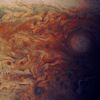
Jupiter-Juno-2024-4-Deutsch.jpgAtmosphärische Turbulenzen157 visiteZur Vorgeschichte: nach einer über fünfjährigen Reise erreichte die Raumsonde Juno am 4. Juli 2016 die Umlaufbahn um Jupiter. Entfernung zur Erde: 1,74 Milliarden Meilen. Am 24. Oktober absolvierte sie ihren achten nahen Vorbeiflug, durchquerte die Wolkendecke des Planeten und näherte sich Jupiters Oberfläche bis auf 3.400 Kilometer. Ihre Mission? Daten und Bilder des größten Planeten unseres Sonnensystems zu sammeln und zur Erde zu übermitteln.
Nach einer Verzögerung (Anfangsphase) bei der Datenübertragung aufgrund einer Sonnenkonjunktion, bei der die Kommunikation zwischen Jupiter und Erde durch die extreme Nähe zur Sonne unterbrochen wurde, erreichten die in der Juno-Sonde gespeicherten Daten die NASA – und die Ergebnisse sind verblüffend. Die Bilder zeigen die geheimnisvollen Nord- und Südpole des Planeten sowie gigantische Gasstürme. Während wir auf weitere nahe Vorbeiflüge warten, präsentieren wir Ihnen einige beeindruckende Bilder, die die Sonde vom Gasriesen, dem fünften Planeten unseres Sonnensystem.MareKromiumApr 07, 2026
|
|

Jupiter-Juno-2024-Fra-5.jpgTurbulence Atmosphérique99 visiteQuelques informations de base : après un voyage de plus de cinq ans, la sonde Juno s'est mise en orbite autour de Jupiter le 4 juillet 2016. Distance de la Terre : 2,8 milliards de kilomètres. Le 24 octobre, elle a effectué son huitième survol rapproché, traversant la couche nuageuse de la planète et s'approchant à seulement 3 400 kilomètres de sa surface. Sa mission ? Collecter des données et des images de la plus grande planète de notre système solaire afin de les transmettre à la Terre.
Après un retard (phase initiale) dans la transmission des données, dû à une conjonction solaire durant laquelle les communications entre Jupiter et la Terre ont été interrompues par la proximité excessive de la planète avec le Soleil, les informations, stockées à bord de la sonde Juno, sont parvenues à la NASA, et les résultats sont stupéfiants. Les images révèlent les mystérieux pôles Nord et Sud de la planète, ainsi que d'immenses tempêtes de gaz.
En attendant de nouvelles images, nous vous présentons quelques magnifiques clichés transmis par la sonde, concernant cette géante gazeuse, la cinquième planète du système solaire.MareKromiumApr 07, 2026
|
|

Jupiter-Juno-2024-6.jpgGas Storms94 visiteSome background information: after a journey lasting more than five years, the Juno spacecraft arrived in orbit around Jupiter on July 4, 2016. Distance from Earth: 1.74 billion miles. On October 24, it performed its eighth close flyby, passing through the planet's cloud cover and approaching to within just 3,400 kilometers of Jupiter's surface. Its mission? To collect data and images of the largest planet in our Solar System to transmit to Earth.
After a delay (Initial Phase) in data transmission, due to a solar conjunction in which communications between Jupiter and Earth were interrupted by its excessive proximity to the sun, the information, stored within the Juno probe, arrived at NASA, and the results are astonishing. The images show the planet's mysterious North and South Poles, as well as gigantic gas storms.
While we wait for new Fly-Vyes, we show you some beautiful images transmitted by the probe relating to the gas giant, the fifth planet of the Solar System.MareKromiumApr 07, 2026
|
|
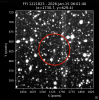
3I-ATLAS_12.jpg150 visiteI.O. 3I/Atlas on January 26th, 2026.MareKromiumMar 03, 2026
|
|
| 4548 immagini su 379 pagina(e) |
2 |  |
|
|
|
|
|
|
|
|
|





