| Ultimi arrivi - Mars Reconnaissance Orbiter (MRO) |

PSP_004072_1845_RED_abrowse-01.jpgThe "End" of Lethe Vallis (EDM n.1 - Enhanced Natural Colors; credits for the additional process. and color.: Dr Paolo C. Fienga - Lunexit Team)112 visitenessun commentoMareKromiumNov 18, 2010
|
|
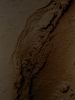
PSP_004072_1845_RED_abrowse-03.jpgThe "End" of Lethe Vallis (EDM n.2 - Enhanced Absolute Natural Colors; credits for the additional process. and color.: Dr Paolo C. Fienga - Lunexit Team)100 visitenessun commentoMareKromiumNov 18, 2010
|
|

ESP_019589_2340_RED_abrowse-GB-PCF-LXTT-0.jpgNorhern Plains (Absolute Natural Colors; credits for the additional process. and color.: Dr Paolo C. Fienga - Lunexit Team:)123 visitenessun commentoMareKromiumNov 16, 2010
|
|

ESP_019565_2355_RED_abrowse-PCF-LXTT.jpgNorthern Plains (Absolute Natural Colors; credits for the additional process. and color.: Dr Paolo C. Fienga - Lunexit Team:)108 visitenessun commentoMareKromiumNov 14, 2010
|
|

ESP_019533_2310_RED_abrowse.jpgNorhern Plains (Absolute Natural Colors; credits for the additional process. and color.: Dr Paolo C. Fienga - Lunexit Team:)88 visitenessun commentoMareKromiumNov 14, 2010
|
|

ESP_019541_2325_RED_abrowse.jpgNorhern Plains (Absolute Natural Colors; credits for the additional process. and color.: Dr Paolo C. Fienga - Lunexit Team:)96 visitenessun commentoMareKromiumNov 14, 2010
|
|

ESP_019560_1650_RED_abrowse-PCF-LXTT.jpgDunes of Coprates Chasma (Absolute Natural Colors; credits for the additional process. and color.: Dr Paolo C. Fienga - Lunexit Team)85 visitenessun commentoMareKromiumNov 14, 2010
|
|

ESP_019521_1750_RED_abrowse-PCF-LXTT.jpgCandor Chasma (Natural Colors; credits for the additional process. and color.: Dr Paolo C. Fienga - Lunexit Team)81 visitenessun commentoMareKromiumNov 14, 2010
|
|

ESP_019526_2220_RED_abrowse.jpgNorhern Plains, S/W of Galaxias Colles (Absolute Natural Colors; credits for the additional process. and color.: Dr Paolo C. Fienga - Lunexit Team:)74 visitenessun commentoMareKromiumNov 14, 2010
|
|
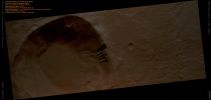
PSP_003162_1445_RED_abrowse-00-PCF-LXTT.jpgUnnamed Southern Crater with deep Gullies and Fill (Absolute Natural Colors; credits for the additional process. and color.: Dr Paolo C. Fienga - Lunexit Team)86 visitenessun commentoMareKromiumNov 12, 2010
|
|
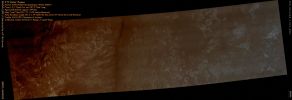
PSP_004384_1705_RED_abrowse-PCF-LXTT.jpgN/W Melas Chasma (Absolute Natural Colors; credits for the additional process. and color.: Dr Paolo C. Fienga - Lunexit Team)82 visiteThis HiRISE image covers a portion of the Wallrock and Canyon Floor in South-Western Melas Chasma.
Along the Floor of Melas Chasma is an unusual Blocky Deposit composed of light-toned Blocks in a darker matrix. The HR provided by the HiRISE camera reveals Layers only a few meters thick in some of the light-toned Blocks. The Blocks vary in size but most fall between approx. 100 up to 500 mts in diameter. Although most Blocks appear rounded, others have angular edges and can be very elongate. The morphologies of the Blocks suggest ductile deformation, such as from a flow or by tectonic disruption after emplacement. Aeolian Ripples are interspersed between the Blocks in the darker Matrix.
Small valleys can be seen along the Wallrock. The Wallrock is a mixture of two geologic units that differ mainly in their reflectance. The light-toned unit appears to be thinner and only exposed in localized spots. Several of the light-toned Deposits are seen only in the Valleys, suggesting they were either deposited or are exposed by erosion.MareKromiumNov 12, 2010
|
|
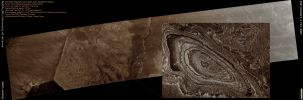
PSP_004423_1755_RED_abrowse-PCF-LXTT.jpgInverted Channels and Layers near Juventae Chasma (an Image-Mosaic in Absolute Natural Colors; credits for the additional process. and color.: Dr Paolo C. Fienga - Lunexit Team:)100 visitePSP_004423_1755 shows Plains North of the South-Western Juventae Chasma, a Canyon belonging to the gigantic Valles Marineris Canyon System.
There are 3 distinct type of Terrains in this image:
1) Plains with possible Inverted Channels,
2) Plains with exposed Layers and
3) Layers on a wall of Juventae Chasma.
The right half of the image contains Plains with Craters and Sinuous Ridge Features that are possibly Inverted Stream Channels.
Inverted relief occurs when a formerly low-lying area becomes high-standing. There are several possible reasons why Channels might stand out in inverted relief. The streambed material may become cemented by precipating minerals, contain larger rocks, or become filled with lava, all which are more resistant to erosion.
Finer-grained, more erodable material surrounding the channel is blown away by the wind or carried away by water, leaving the resistant channel bed high and dry around its environs.
Another example of erosion can be seen in the next Terrain which covers about 2/3 of the left half of the image. Erosion has exposed a beautiful series of light and dark tone Layers (approximately 1 Km across). In the inset, the smallest of the rings is the deepest exposed Layer.
Layers are common in the Martian Canyons, but it is unknown what process formed them. It is likely, though, that the Layers in the Plains here are made of the same material as the Layers in the Canyons. MareKromiumNov 12, 2010
|
|
| 2237 immagini su 187 pagina(e) |
 |
|
|
|
|
73 | |
|
|
|
|





