| Ultimi arrivi - Mars Reconnaissance Orbiter (MRO) |
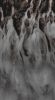
ESP_022848_1595_RED_abrowse-PCF-LXTT-01.jpgLike Waterfalls... (EDM - Absolute Natural Colors; credits for the additional process. and color.: Dr Paolo C. Fienga - Lunexit Team)124 visitenessun commentoMareKromiumGiu 30, 2011
|
|
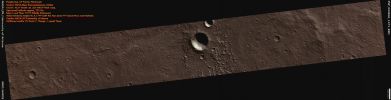
PSP_009846_1475_red-PCF-LXTT.jpgFeatures of Terra Sirenum (Natural Colors; credits for the additional process. and color.: Dr Paolo C. Fienga - Lunexit Team)71 visitenessun commentoMareKromiumGiu 29, 2011
|
|
PSP_010460_2500_RED_abrowse-Vastitas_Borealis-PCF-LXTT.jpgFeatures of Vastitas Borealis (Natural Colors; credits for the additional process. and color: Dr Paolo C. Fienga - Lunexit Team)76 visitenessun commentoMareKromiumGiu 29, 2011
|
|

PSP_007055_2015_RED_abrowse-3.jpgVolcanic and Clay Materials near Nili Fossae (edm n. 2 - Natural Colors; credits for the additional process. and color.: Dr Paolo C. Fienga - Lunexit Team) 71 visitenessun commentoMareKromiumGiu 26, 2011
|
|

PSP_009087_2550_RED-PCF-LXTT.jpgUnnamed Crater with Dunefield in Vastitas Borealis (Absolute Natural Colors; credits for the additional process. and color: Dr Paolo C. Fienga - Lunexit Team)56 visiteThis North Polar Dunefield is bounded by a small Unnamed Crater about 11 Km in diameter in the Vastitas Borealis Region. This crater captured deposits of basaltic sand that may have been transported from the North Polar Erg, a massive sea of sand that surrounds the Martian North Pole.
This Region experiences a variety of winds that blow from various directions during different seasons and times of day, and the winds are also affected by the topography of the crater itself. This influences the movement of sand within the crater and the dunes that they shape.
This image shows many transitioning dunes which indicate changes of wind direction. The wind direction can be inferred from the location of the steeper side of the dune (called the slip-face) which is downwind of the dominant wind direction. The barchans and barchanoid dunes form crescent shapes and are consistent with dominant winds from the South-West.
Towards the center of the Dunefield, the barchans transition from crescent shapes into irregular, more elongated dunes and merge.
The more northern part of the Dunefield consists of longitudinal dunes which extend from the horns of the modified barchans residing in its central part.
These longitudinal dunes form along the trend of southerly-southeasterly winds.
Because it is early Summer, solar radiation has heated the sand and there are only a few small patches of frost remaining on the dunes at this season. However, evidence of the arctic climate is visible in the polygons surrounding the dune field.
The polygons, like those found at the Phoenix Mission Landing Site, are produced by freeze-thaw cycles as the polar soil expands and contracts. MareKromiumGiu 26, 2011
|
|
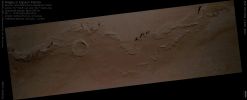
PSP_007896_1890_RED_abrowse-PCF-LXTT.jpgFeatures of Elysium Planitia: Ridges and "Fumes" (Saturated Absolute Natural Colors; credits for the additional process. and color: Dr Paolo C. Fienga - Lunexit Team)59 visitenessun commentoMareKromiumGiu 25, 2011
|
|
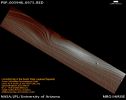
PSP_005946_0975_RED_abrowse-00-PCF-LXTT.jpgUnconformity in the South Polar Layered Deposits - SPLD (Absolute Natural Colors; credits for the additional process. and color.: Dr Paolo C. Fienga - Lunexit Team)57 visitenessun commentoMareKromiumGiu 25, 2011
|
|

PSP_007043_2650_RED_abrowse-PCF-LXTT.jpgDefrosting North Polar Dunes (Absolute Natural Colors; credits for the additional process. and color: Dr Paolo C. Fienga - Lunexit Team)68 visitenessun commentoMareKromiumGiu 25, 2011
|
|
ESP_022262_1475_RED_abrowse-01-PCF-LXTT.jpgColourful Gullies (EDM - Absolute Natural Colors; credits for the additional process. and color: Dr Paolo C. Fienga - Lunexit Team)60 visiteMareKromiumGiu 24, 2011
|
|
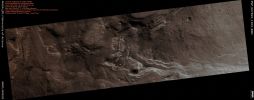
PSP_007820_1505_RED_abrowse-PCF-LXTT.jpgLayered Sediments in Hellas Planitia (Natural Colors; credits for the additional process. and color.: Dr Paolo C. Fienga - Lunexit Team)253 visitenessun commentoMareKromiumGiu 23, 2011
|
|

ESP_022117_1225_RED_abrowse-00-PCF-LXTT.jpgLight and Dark Bands in Darwin Crater (CTX Frame - Absolute Natural Colors; credits for the additional process. and color.: Dr Paolo C. Fienga - Lunexit Team)200 visiteAcquisition Date: April, 15, 2011
Mars Local Time (M.L.T.): 14:54 (Early Afternoon)
Latitude (centered): 57,3° South
Longitude (East): 340,8°
Range to Target Site (such as Spacecraft Altitude): 252,5 Km (157,8 miles)
Original Image Scale Range: 50.5 cm/pixel (with 2 x 2 binning) so objects ~1 meter and 52 cm across are resolved
Map Projected Scale: 50 cm/pixel
Map projection: EQUIRECTANGULAR
Emission Angle: 3,7°
Sun-Target-MRO (such as Phase) Angle: 48°
Solar Incidence Angle (S.I.A.): 45° (with the Sun about 45° above the Local Horizon)
Solar Longitude: 274,7° (Northern Winter=
MareKromiumGiu 21, 2011
|
|

ESP_022117_1225_RED_abrowse-01-PCF-LXTT.jpgLight and Dark Bands in Darwin Crater (EDM - Absolute Natural Colors; credits for the additional process. and color.: Dr Paolo C. Fienga - Lunexit Team)201 visitenessun commentoMareKromiumGiu 21, 2011
|
|
| 2237 immagini su 187 pagina(e) |
 |
|
|
|
|
41 | |
|
|
|
|





