| Ultimi arrivi - Jupiter: the "King" and His Moons |

Europa-HR-PCF-LXTT.jpgEuropa (Absolute Natural Colors; credits for the additional process. and color.: Dr Paolo C. Fienga - Lunexit Team)154 visitenessun commentoMareKromiumApr 03, 2011
|
|
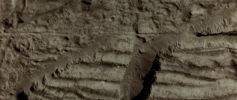
Europa-Icy_Cliffs-PIA01182-PCF-LXTT.jpgThe Icy Cliffs of Europa (Absolute Natural Colors; credits for the additional process. and color.: Dr Paolo C. Fienga - Lunexit Team)254 visitenessun commentoMareKromiumApr 03, 2011
|
|

Europa-PIA00578-PCF-LXTT.jpgThe Icy Floes of Europa (Absolute Natural Colors; credits for the additional process. and color.: Dr Paolo C. Fienga - Lunexit Team)248 visitenessun commentoMareKromiumApr 03, 2011
|
|

Europa-PIA00874-PCF-LXTT.jpgEuropa's Leading Hemisphere (Absolute Natural Colors; credits for the additional process. and color.: Dr Paolo C. Fienga - Lunexit Team)118 visitenessun commentoMareKromiumApr 03, 2011
|
|

Europa-Chaotic_Terrain-Conamara_Chaos-PIA01404-PCF-LXTT.jpgEuropa: Conamara Chaos Region (Absolute Natural Colors; credits for the additional process. and color.: Dr Paolo C. Fienga - Lunexit Team)254 visitenessun commentoMareKromiumApr 03, 2011
|
|
Europa-Craters-Pwyll_Crater-PIA01211-PCF-LXTT.jpgPwyll Crater on Europa (Absolute Natural Colors; credits for the additional process. and coloring: Dr Paolo C. Fienga - Lunexit Team)608 visitenessun commentoMareKromiumMar 01, 2011
|
|

Europa-V1-PIA00016-1-PCF-LXTT-1.jpgBizarre Image-Artifact... (Absolute Natural Colors; credits for the additional process. and color.: Dr Paolo C. Fienga - Lunexit Team)815 visitenessun commentoMareKromiumMar 01, 2011
|
|

Jupiter_Storm.jpgThe Dark S.E.B. of Jupiter is back!82 visiteDalla Rubrica "NASA - Picture of the Day" del giorno 29 Npvembre 2010:"Why are planet-circling clouds disappearing and reappearing on Jupiter?
Although the ultimate cause remains unknown, planetary meteorologists are beginning to better understand what is happening. Earlier this year, unexpectedly, Jupiter's Dark Southern Equatorial Belt (SEB) disappeared. The changes were first noted by amateurs dedicated to watching Jupiter full time. The South Equatorial Band has been seen to change colors before, although the change has never been recorded in such detail. Detailed professional observations revealed that high-flying light-colored Ammonia-based clouds formed over the planet-circling Dark Belt. Now those Light Clouds are dissipating, again unveiling the lower Dark Clouds.
Pictured above two weeks ago, far InfraRed images - depicted in false-color red - show a powerful storm system active above the returning Dark Belt. Continued observations of Jupiter's current cloud opera, and our understanding of it, is sure to continue".MareKromiumDic 10, 2010
|
|

Io-Natural_Colors-PCF-LXTT.jpgIo (Absolute Natural Colors; credits: Dr Paolo C. Fienga - Lunexit Team)120 visitenessun commentoMareKromiumOtt 04, 2010
|
|

Io-Natural_Colors-NASA.jpgIo (True Colors - credits: Galileo Project, JPL, NASA)86 visiteCaption NASA:"The strangest moon in the Solar System is bright yellow.
This picture, an attempt to show how Io would appear in the "true colors" perceptible to the average human eye, was taken in july 1999 by the Galileo Spacecraft that orbited Jupiter from 1995 to 2003.
Io's colors derive from Sulphur and molten Silicate Rock. The unusual Surface of Io is kept very young by its system of active volcanoes. The intense tidal gravity of Jupiter stretches Io and damps wobbles caused by Jupiter's other Galilean moons.
The resulting friction greatly heats Io's interior, causing molten rock to explode through the Surface. Io's volcanoes are so active that they are effectively turning the whole moon inside out. Some of Io's volcanic lava is so hot that it glows in the dark".MareKromiumOtt 04, 2010
|
|

Jupiter-Impact-2010-005.jpgAnother Impact on Jupiter?91 visiteUN ALTRO BOLIDE ("FIREBALL") su Giove?
il giorno 20 Agosto 2010, alle ore 18:22 UT, un Astrofilo Giapponese, Masayuki Tachikawa, della città di Kumamoto, ha video-registrato quello che SEMBRA ESSERE l'aftermath di un impatto occorso sul Pianeta Giove.
Se l'ipotesi dell'impatto venisse confermata, questa sarebbe la terza volta in soli 13 mesi che gli Astrofili del Mondo intero rilevano segni di impatti su Giove. Gli eventi precedenti si sono verificati il 19 luglio 2009 ed il 3 Giugno 2010.
La maggiore speculazione che infiamma le più recenti discussioni riguardanti questo fenomeno ritiene che Giove possa essere colpito da bolidi (ed asteroidi?) assai più spesso di quanto si fosse finora ritenuto.
E' (anche) per questo motivo che svariati Ricercatori insistono a chiedere la creazione di una rete mondiale di telescopi destinati a monitorare costantemente il Gigante Gassoso e quindi (laddove possobile) a misurare le velocità d'impatto.
"Come l'evento del 3 giugno u.s., questo bolide non ha prodotto alcun residuo visibile", osserva comunque il Dr John Rogers, Direttore della sezione Giove della British Astronomical Association.MareKromiumSet 03, 2010
|
|

Jupiter-Impact-2010-006.jpgAnother Impact on Jupiter?75 visiteAlcune immagini ad Alta Risoluzione scattate prima e dopo l'Evento Anomalo (impatto?) che ha coinvolto il Pianeta Giove.
Così come commentano gli Osservatori (che, come potete vedere, hanno ripreso il Gigante da svariate località), non c'era nessun segno visibile sul Gigante (nè in RGB, né UV, né Metano) il quale facesse da "testimone" della verificazione di un impatto.
Infatti, a parte le ben visibili turbolenze che usualmente caratterizzano l'Alta Atmosfera Gioviana e la chiara di una macchia scura circolare (si tratta dell'ombra di uno dei Satelliti Galileiani - probabilmente Ganimede), non vi è traccia alcuna di "cicatrici atmosferiche" le quali possano far supporre l'avvenuta verificazione di un Evento d'Impatto.MareKromiumSet 03, 2010
|
|
| 325 immagini su 28 pagina(e) |
 |
|
|
5 | |
|
|
|
|
|
|





