| Ultimi commenti - SOLAR SYSTEM |

The_Sky_of_Saturn-4256690919_1c0b492298_o.gifIn the Sky of Saturn (GIF-Movie; credits: Dr M. Faccin)74 visitenessun commentoMareKromium11/26/22 at 06:27walthari: ma vuoi dire che ha deviato per non colpire l'...
|
|
The_Sky_of_Saturn-4256690919_1c0b492298_o.gifIn the Sky of Saturn (GIF-Movie; credits: Dr M. Faccin)74 visitenessun commentoMareKromium11/24/22 at 17:49Ufologo: Una "sbandata"; poi anche azzurro .........
|
|
The_Sky_of_Saturn-4256690919_1c0b492298_o.gifIn the Sky of Saturn (GIF-Movie; credits: Dr M. Faccin)74 visitenessun commentoMareKromium11/23/22 at 21:04Paolo C. Fienga: Straordinario, vero?!? Max?!?
|
|

Comets-Comet_SWAN-0.jpgComet SWAN106 visiteDa "NASA - Picture of the Day", del 19 Ottobre 2006:" This cosmic portrait recorded October 9th features the lovely blue-green coma of Comet SWAN posing with spiral galaxy NGC 5005 in the northern constellation Canes Venatici. At the time the comet (center) was in the close foreground, a mere 9 LM (Light-Minutes) from planet Earth, with the galaxy a more substantial 60 million LY (Light-Years) distant. Not actually related to a bird, Comet SWAN (C/2006 M4) was so named as it was first spotted in image data from the SWAN (Solar Wind ANisotropies) camera aboard the Sun-staring SOHO spacecraft. Having rounded the Sun, this comet is headed for interstellar space, but first it will make its closest approach to Earth on October 24. With binoculars, northern hemisphere observers can now spot the comet above the northwestern horizon, near the handle of the Big Dipper in the early evening sky". 11/22/22 at 15:31Paolo C. Fienga: Esattamente! :-)
|
|
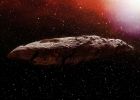
Comet_Oumuamua-3.jpgMore questions...112 visiteDopo 5 anni dalla sua comparsa nel nostro sistema solare Oumuamua rimane uno degli argomenti che più accendono la fantasia di ricercatori e appassionati di vita extraterrestre. Avi Loeb, celebre astrofisico di Harvard, continua a senza demordere ad affermare che quello strano asteroide interstellare non è altro che un oggetto costruito da qualche civiltà aliena. In lingua hawaiana Oumuamua significa "messaggero che arriva da lontano" e in effetti stiamo ancora capendo da dove provenga, tentando di analizzarne la natura grazie ai dati registrati dai nostri telescopi, prima che scomparisse di nuovo nella galassia.
L'idea di Loeb su questo oggetto è stata subito radicale e non in linea con il tipo di ricerca fatta dalla comunità scientifica: secondo lui era una vela a propulsione leggera prodotta dagli alieni. "Gli scienziati del mainstream dovrebbero stanziare fondi per trovare il prossimo oggetto simile a Oumuamua e identificare oltre ogni ragionevole dubbio la sua natura", ha scritto Loeb.
L'astrofisico da circa un anno ha fondato il Progetto Galileo che utilizzerà i dati per elevare la ricerca di tecnologia extraterrestre da osservazioni aneddotiche e leggende a ricerca scientifica sistematica.
MareKromium11/22/22 at 15:30Paolo C. Fienga: Infatti Anakin, hai ragione: ? improponibile. Vedi...
|
|
Comet_Oumuamua-3.jpgMore questions...112 visiteDopo 5 anni dalla sua comparsa nel nostro sistema solare Oumuamua rimane uno degli argomenti che più accendono la fantasia di ricercatori e appassionati di vita extraterrestre. Avi Loeb, celebre astrofisico di Harvard, continua a senza demordere ad affermare che quello strano asteroide interstellare non è altro che un oggetto costruito da qualche civiltà aliena. In lingua hawaiana Oumuamua significa "messaggero che arriva da lontano" e in effetti stiamo ancora capendo da dove provenga, tentando di analizzarne la natura grazie ai dati registrati dai nostri telescopi, prima che scomparisse di nuovo nella galassia.
L'idea di Loeb su questo oggetto è stata subito radicale e non in linea con il tipo di ricerca fatta dalla comunità scientifica: secondo lui era una vela a propulsione leggera prodotta dagli alieni. "Gli scienziati del mainstream dovrebbero stanziare fondi per trovare il prossimo oggetto simile a Oumuamua e identificare oltre ogni ragionevole dubbio la sua natura", ha scritto Loeb.
L'astrofisico da circa un anno ha fondato il Progetto Galileo che utilizzerà i dati per elevare la ricerca di tecnologia extraterrestre da osservazioni aneddotiche e leggende a ricerca scientifica sistematica.
MareKromium11/22/22 at 15:27Anakin: la sua minima distanza dalla Terra ? stata di 24 m...
|
|
Comet_Oumuamua-3.jpgMore questions...112 visiteDopo 5 anni dalla sua comparsa nel nostro sistema solare Oumuamua rimane uno degli argomenti che più accendono la fantasia di ricercatori e appassionati di vita extraterrestre. Avi Loeb, celebre astrofisico di Harvard, continua a senza demordere ad affermare che quello strano asteroide interstellare non è altro che un oggetto costruito da qualche civiltà aliena. In lingua hawaiana Oumuamua significa "messaggero che arriva da lontano" e in effetti stiamo ancora capendo da dove provenga, tentando di analizzarne la natura grazie ai dati registrati dai nostri telescopi, prima che scomparisse di nuovo nella galassia.
L'idea di Loeb su questo oggetto è stata subito radicale e non in linea con il tipo di ricerca fatta dalla comunità scientifica: secondo lui era una vela a propulsione leggera prodotta dagli alieni. "Gli scienziati del mainstream dovrebbero stanziare fondi per trovare il prossimo oggetto simile a Oumuamua e identificare oltre ogni ragionevole dubbio la sua natura", ha scritto Loeb.
L'astrofisico da circa un anno ha fondato il Progetto Galileo che utilizzerà i dati per elevare la ricerca di tecnologia extraterrestre da osservazioni aneddotiche e leggende a ricerca scientifica sistematica.
MareKromium11/22/22 at 15:17Paolo C. Fienga: ...E pensare che per "aver prove dell'esi...
|
|
Comets-Comet_SWAN-0.jpgComet SWAN106 visiteDa "NASA - Picture of the Day", del 19 Ottobre 2006:" This cosmic portrait recorded October 9th features the lovely blue-green coma of Comet SWAN posing with spiral galaxy NGC 5005 in the northern constellation Canes Venatici. At the time the comet (center) was in the close foreground, a mere 9 LM (Light-Minutes) from planet Earth, with the galaxy a more substantial 60 million LY (Light-Years) distant. Not actually related to a bird, Comet SWAN (C/2006 M4) was so named as it was first spotted in image data from the SWAN (Solar Wind ANisotropies) camera aboard the Sun-staring SOHO spacecraft. Having rounded the Sun, this comet is headed for interstellar space, but first it will make its closest approach to Earth on October 24. With binoculars, northern hemisphere observers can now spot the comet above the northwestern horizon, near the handle of the Big Dipper in the early evening sky". 11/22/22 at 14:43Anakin: Non durano uguale, perch? il tempo verr? modificat...
|
|
Comets-Comet_SWAN-0.jpgComet SWAN106 visiteDa "NASA - Picture of the Day", del 19 Ottobre 2006:" This cosmic portrait recorded October 9th features the lovely blue-green coma of Comet SWAN posing with spiral galaxy NGC 5005 in the northern constellation Canes Venatici. At the time the comet (center) was in the close foreground, a mere 9 LM (Light-Minutes) from planet Earth, with the galaxy a more substantial 60 million LY (Light-Years) distant. Not actually related to a bird, Comet SWAN (C/2006 M4) was so named as it was first spotted in image data from the SWAN (Solar Wind ANisotropies) camera aboard the Sun-staring SOHO spacecraft. Having rounded the Sun, this comet is headed for interstellar space, but first it will make its closest approach to Earth on October 24. With binoculars, northern hemisphere observers can now spot the comet above the northwestern horizon, near the handle of the Big Dipper in the early evening sky". 11/22/22 at 09:26Paolo C. Fienga: ...non so. Magari sar? anche cos?. Ma a me piace b...
|
|
Comets-Comet_SWAN-0.jpgComet SWAN106 visiteDa "NASA - Picture of the Day", del 19 Ottobre 2006:" This cosmic portrait recorded October 9th features the lovely blue-green coma of Comet SWAN posing with spiral galaxy NGC 5005 in the northern constellation Canes Venatici. At the time the comet (center) was in the close foreground, a mere 9 LM (Light-Minutes) from planet Earth, with the galaxy a more substantial 60 million LY (Light-Years) distant. Not actually related to a bird, Comet SWAN (C/2006 M4) was so named as it was first spotted in image data from the SWAN (Solar Wind ANisotropies) camera aboard the Sun-staring SOHO spacecraft. Having rounded the Sun, this comet is headed for interstellar space, but first it will make its closest approach to Earth on October 24. With binoculars, northern hemisphere observers can now spot the comet above the northwestern horizon, near the handle of the Big Dipper in the early evening sky". 11/21/22 at 07:26Anakin: il concetto di tempo ? squsitamente umano, s? Walt...
|
|
Comets-Comet_SWAN-0.jpgComet SWAN106 visiteDa "NASA - Picture of the Day", del 19 Ottobre 2006:" This cosmic portrait recorded October 9th features the lovely blue-green coma of Comet SWAN posing with spiral galaxy NGC 5005 in the northern constellation Canes Venatici. At the time the comet (center) was in the close foreground, a mere 9 LM (Light-Minutes) from planet Earth, with the galaxy a more substantial 60 million LY (Light-Years) distant. Not actually related to a bird, Comet SWAN (C/2006 M4) was so named as it was first spotted in image data from the SWAN (Solar Wind ANisotropies) camera aboard the Sun-staring SOHO spacecraft. Having rounded the Sun, this comet is headed for interstellar space, but first it will make its closest approach to Earth on October 24. With binoculars, northern hemisphere observers can now spot the comet above the northwestern horizon, near the handle of the Big Dipper in the early evening sky". 11/20/22 at 07:47walthari: tempo e concetto di tempo sono due cose totalmente...
|
|
Comets-Comet_SWAN-0.jpgComet SWAN106 visiteDa "NASA - Picture of the Day", del 19 Ottobre 2006:" This cosmic portrait recorded October 9th features the lovely blue-green coma of Comet SWAN posing with spiral galaxy NGC 5005 in the northern constellation Canes Venatici. At the time the comet (center) was in the close foreground, a mere 9 LM (Light-Minutes) from planet Earth, with the galaxy a more substantial 60 million LY (Light-Years) distant. Not actually related to a bird, Comet SWAN (C/2006 M4) was so named as it was first spotted in image data from the SWAN (Solar Wind ANisotropies) camera aboard the Sun-staring SOHO spacecraft. Having rounded the Sun, this comet is headed for interstellar space, but first it will make its closest approach to Earth on October 24. With binoculars, northern hemisphere observers can now spot the comet above the northwestern horizon, near the handle of the Big Dipper in the early evening sky". 11/17/22 at 08:52Paolo C. Fienga: Sostanzialmente ed in Linea di Principio sono d�...
|
|
| 3244 immagini su 271 pagina(e) |
 |
|
|
|
|
8 | |
|
|
|
|





