| Ultimi commenti - MARS |

SOL0621-ZL7_0621_0722074727_054EBY_N0301172ZCAM01521_1100LMJ01_1200.jpgPhobos eclipses the Sun! - Sol 621136 visiteCaption NASA Originale:"This photo was selected by public vote and featured as "Image of the Week" for Week 92 (Nov. 13 - 19, 2022) of the Perseverance Rover Mission on Mars. NASA's Mars Perseverance Rover acquired this image using its Left Mastcam-Z camera. Mastcam-Z is a pair of cameras located high on the Rover's Mast. This image was acquired on Nov. 18, 2022 (Sol 621) at the Local Mean Solar Time of 13:56:29".MareKromium07/11/23 at 17:37MareKromium: Amici, ci sono una ventina di miei commenti non le...
|
|
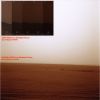
OPP-SOL1235-1P237817092EFF85W0P2689L6M1-00.jpgDark Skies? Clear Skies? Where's the truth?!?108 visiteNel riquadro superiore (scurissimo, quasi nero), l'evoluzione della luminositŕ del Cielo di Marte nei Soles andanti dal 1205 al 1235. Nel Sol 1235, praticamente, alle 10:53 a.m. sembra notte. Perň...
Perň in un frame originale NASA relativo al medesimo Dark-Sol - il Sol 1235 - e da noi rielaborato in colori naturali, la situazione appare DECISAMENTE e RADICALMENTE DIVERSA!!!
Come mai?
Forse il MER Opportunity ha fatto uso di filtri "fendipolvere" (anti A.O.) per il frame che abbiamo ingrandito a colorizzato noi, oppure č stato "eccessivo" il darkening adottato per colorizzare il frame-composite NASA (evidentemente elaborato - male - "a tavolino" da qualche Addetto un pň troppo pessimista sullo stato attuale della visibilitŕ su Marte, Regione di Meridiani Planum?).
Voi che dite?
Caption NASA:"NASA's Opportunity rover is literally seeing some of its darkest days. Both Mars Exploration Rovers have been riding out a regional dust storm for several weeks. Conditions became particularly dreary in the Meridiani Planum region where Opportunity sits, perched on the edge of "Victoria Crater."
This image is a time-lapse composite where each horizon-survey image has been compressed horizontally (but not vertically) to emphasize the sky. The relative brightness and darkness of the sky from sol to sol (over a 30-sol period beginning June 14, 2007) is depicted accurately in these images, which view roughly the same part of the plains southwest of the rover. The images are approximately true color composites, generated from calibrated radiance data files using the panoramic camera's 601-nanometer, 535-nanometer and 482-nanometer filters.
The rovers' atmospheric science team is concerned that smaller, regional dust storms could expand into a larger, globe-encircling storm. That could extend the time the sun stays obscured, challenging the capability of Opportunity's solar panels to produce enough electricity for the rover to function.
Fortunately, as of July 19, 2007, the Opportunity site is clearing slightly. When the storm ends, atmospheric scientists hope to review data from the rovers that will help them determine what sort of dust was being lifted and distributed.
The numbers across the top of the image report a measurement of atmospheric opacity, called by the Greek letter tau. The lower the number, the clearer the sky. Both Opportunity and Spirit have been recording higher tau measurements in July 2007 than they had seen any time previously in their three and a half years on Mars. The five sol numbers across the bottom correspond (left to right) to June 14, June 30, July 5, July 13 and July 15, 2007".MareKromium07/03/23 at 17:37Paolo C. Fienga: Bella!
|
|

SOL3724-27338_PIA25740-web.jpgIcy Feather - Sol 3724139 visiteNASA’s Curiosity Mars rover captured this feather-shaped iridescent cloud just after sunset on Jan. 27, 2023, the 3,724th Martian day, or sol, of the mission. Studying the colors in iridescent clouds tells scientists something about particle size within the clouds and how they grow over time.
These clouds were captured as part of a follow-on imaging campaign to study noctilucent, or "night-shining" clouds, which started in 2021. While most Martian clouds hover no more than 37 miles (60 kilometers) above the ground and are composed of water ice, these clouds appear to be higher in elevation, where it’s very cold. That suggests these clouds are made of carbon dioxide, or dry ice.
This scene is made up of 28 individual images captured by the rover’s Mast Camera, or Mastcam. The images have been processed to emphasize the highlights.MareKromium06/30/23 at 12:51Paolo C. Fienga: Osservo a mi chiedo come si possa "non amare&...
|
|

SOL0738-1581_PIA25821-web.gif145 visiteNASA’s Perseverance Mars rover used one of its navigation cameras to take a series of images of drifting clouds just before sunrise on March 18, 2023, the 738th Martian day, or sol, of the mission.
Scientists on both the Perseverance mission and NASA's Curiosity rover mission are studying the formation process of Martian clouds.
A key objective for Perseverance's mission on Mars is astrobiology, including the search for signs of ancient microbial life. The rover will characterize the planet's geology and past climate, pave the way for human exploration of the Red Planet, and be the first mission to collect and cache Martian rock and regolith (broken rock and dust).
Subsequent NASA missions, in cooperation with ESA (European Space Agency), would send spacecraft to Mars to collect these sealed samples from the surface and return them to Earth for in-depth analysis.
The Mars 2020 Perseverance mission is part of NASA's Moon to Mars exploration approach, which includes Artemis missions to the Moon that will help prepare for human exploration of the Red Planet.MareKromium06/30/23 at 12:50Paolo C. Fienga: Nuvole "Nottilucenti". Cosa non darei pe...
|
|
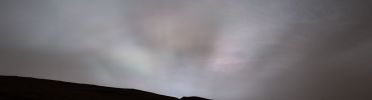
SOL3730-27337_PIA25739-web.jpgMartian Twilight - Sol 3730139 visiteNASA’s Curiosity Mars Rover captured these "Sun Rays" shining through clouds at sunset on Feb. 2, 2023, the 3,730th Martian Day, or Sol, of the mission. It was the first time that sun rays, also known as crepuscular rays, have been viewed so clearly on Mars. Crepuscular is taken from the Latin word for “Twilight,” as these rays appear near Sunset or Sunrise.
These clouds were captured as part of a follow-on imaging campaign to study noctilucent, or "night-shining" clouds, which started in 2021. While most Martian clouds hover no more than 37 miles (60 kilometers) above the ground and are composed of water-ice, these clouds appear to be higher in elevation, where it’s very cold. That suggests these clouds are made of carbon dioxide, or dry ice.
This scene made up of 28 individual images captured by the rover’s Mast Camera, or MastCam. The images have been processed to emphasize the highlights.MareKromium06/30/23 at 12:49Paolo C. Fienga: Stupenda!!!
|
|

Map-2.jpgInteresting...105 visitenessun commentoMareKromium05/07/23 at 18:19Paolo C. Fienga: Riflessioni esatte e sacrosante. La Vita si adatta...
|
|
Map-2.jpgInteresting...105 visitenessun commentoMareKromium05/05/23 at 15:30Anakin: La vita si ? sempre, ovunque, saputa adattare alle...
|
|
Map-2.jpgInteresting...105 visitenessun commentoMareKromium05/02/23 at 08:59Ufologo: .. ma delle improbabili forme di Vita che forse .....
|
|
Map-2.jpgInteresting...105 visitenessun commentoMareKromium05/02/23 at 08:33MareKromium: Sono convinto di quello che dici Anakin. Certo ? c...
|
|
Map-2.jpgInteresting...105 visitenessun commentoMareKromium04/11/23 at 06:57Anakin: Sarai morto con questo fisico, ma presente in un a...
|
|
Map-2.jpgInteresting...105 visitenessun commentoMareKromium04/10/23 at 18:11MareKromium: Ritengo, personalmente, che la Missione Zhurong, d...
|
|

SOL3423-PIA25176-8192x2276.jpg"(Alli)Gator Back" Rocks on "Greenheugh" - Sol 3423174 visiteNASA’s Curiosity Mars rover used its Mast Camera, or MastCam, to take this 360° panorama on March 23, 2022, the 3.423th Martian Day, or Sol, of the Mission. The team has informally described the wind-sharpened rocks seen here as “gator-back” rocks because of their scaly appearance.
Wind-sharpened rocks like these are called ventifacts, and are responsible for chewing up Curiosity’s wheels earlier in the mission. Since then, rover engineers have found ways to slow wheel wear, including a traction control algorithm. They also plan rover routes that avoid driving over such rocks, including these latest ventifacts, which are made of sandstone – the hardest type of rock Curiosity has encountered on Mars.
These rocks form the Surface of the “Greenheugh Pediment,” a broad, sloping plain in the foothills of Mount Sharp. The floor of Gale Crater is visible along the edges of the mosaic. When Curiosity’s team saw the gator-back rocks, they ultimately decided to turn the rover around and take an alternative path to continue climbing Mount Sharp, a 3,4-mile-tall (approx. 5,5-Km-tall) mountain that Curiosity has been ascending since 2014. As it climbs, Curiosity is able to study different sedimentary layers shaped by water billions of years ago. These layers help scientists understand whether microscopic life could have survived in the ancient Martian Environment.MareKromium04/09/23 at 18:01Paolo C. Fienga: Si piange non solo di Dolore, ma anche di Gioia. L...
|
|
| 13176 immagini su 1098 pagina(e) |
 |
|
|
|
|
8 | |
|
|
|
|





