| |

| Ultimi commenti - 1-Ceres and 4-Vesta |

001-Ceres-alone.jpg1-Ceres from Hubble Space Telescope62 visiteNASA's Hubble Space Telescope took these images of the asteroid 1 Ceres over a 2-hour and 20-minute span, the time it takes the Texas-sized object to complete one quarter of a rotation. One day on Ceres lasts 9 hours.
Hubble snapped 267 images of Ceres as it watched the asteroid make more than one rotation. By observing the asteroid during a full rotation, astronomers confirmed that Ceres has a nearly round body like Earth's. Ceres' shape suggests that its interior is layered like those of terrestrial planets such as Earth. Ceres may have a rocky inner core, an icy mantle, and a thim, dusty, outer crust.
The "Bright Spot" that we see is a mistery: it is (obviously) brighter than its surroundings, but it is still very dark (very low albedo) reflecting only a small portion of Sunlight.03/10/16 at 11:03Anakin: Ottimo WAL. Molto interessante.
Questo potrebbe ...
|
|
001-Ceres-alone.jpg1-Ceres from Hubble Space Telescope62 visiteNASA's Hubble Space Telescope took these images of the asteroid 1 Ceres over a 2-hour and 20-minute span, the time it takes the Texas-sized object to complete one quarter of a rotation. One day on Ceres lasts 9 hours.
Hubble snapped 267 images of Ceres as it watched the asteroid make more than one rotation. By observing the asteroid during a full rotation, astronomers confirmed that Ceres has a nearly round body like Earth's. Ceres' shape suggests that its interior is layered like those of terrestrial planets such as Earth. Ceres may have a rocky inner core, an icy mantle, and a thim, dusty, outer crust.
The "Bright Spot" that we see is a mistery: it is (obviously) brighter than its surroundings, but it is still very dark (very low albedo) reflecting only a small portion of Sunlight.03/09/16 at 15:46walthari: Brano tratto da una mia dissertazione sui pianeti ...
|
|
001-Ceres-alone.jpg1-Ceres from Hubble Space Telescope62 visiteNASA's Hubble Space Telescope took these images of the asteroid 1 Ceres over a 2-hour and 20-minute span, the time it takes the Texas-sized object to complete one quarter of a rotation. One day on Ceres lasts 9 hours.
Hubble snapped 267 images of Ceres as it watched the asteroid make more than one rotation. By observing the asteroid during a full rotation, astronomers confirmed that Ceres has a nearly round body like Earth's. Ceres' shape suggests that its interior is layered like those of terrestrial planets such as Earth. Ceres may have a rocky inner core, an icy mantle, and a thim, dusty, outer crust.
The "Bright Spot" that we see is a mistery: it is (obviously) brighter than its surroundings, but it is still very dark (very low albedo) reflecting only a small portion of Sunlight.03/08/16 at 07:03Anakin: Guiardando gli APOD relativi a Ceres (bellissimi),...
|
|

022-Vesta-4.jpg4-Vesta (computer generated imaging - credits: Ben Zellner - Georgia Southern University -, Peter Thomas - Cornell University - and NASA)80 visiteUn'immagine decisamente bella, precisa, distinta. Ma è un'immagine "vera"? NO! Questa immagine dell'Asteroide 4-Vesta è "computer generated", così come sono "computer generated" TUTTE LE IMMAGINI CHE RITRAGGONO - IN CHIAVE PROSPETTICA - DELLE SEZIONI ISOLATE DELLA SUPERFICIE DI MARTE E CHE SONO STATE OTTENUTE DALLA SONDA ESA "MARS EXPRESS".
La differenza?
La differenza è nella "qualità" dell'immagine "computer generated": le immagini ESA sono - e lo ripeteremo sino alla nausea - alquanto dozzinali (Voi sapete che la pixellatura dei frames ESA ottenuti con questa tecnica è talmente grezza che, alla fine dell'opera, gli image-artifacts che li caratterizzano sono così tanti che, come è già accaduto tantissime volte, le sviste e le traveggole che essi ingenerano e suggeriscono sono davvero allucinanti); le immagini NASA, invece, sono di gran lunga più "smooth" (lisce, nel senso di prive di difettosità palesi ed artifacts) e, globalmente parlando, di fattura enormemente superiore.
Ma in ENTRAMBI I CASI SI TRATTA DI PSEUDO-IMMAGINI! Non lo dimenticate...
Caption NASA:"A 3-D computer model of the asteroid Vesta synthesized from Hubble topographic data. The crater's 8-mile high central peak can clearly be seen near the pole. The surface texture on the model is artificial, and is not representative of the true brightness variations on the asteroid. Elevation features have not been exaggerated". MareKromium10/14/15 at 07:14Anakin: Anche per me la classificazione dei corpi ? un p? ...
|
|
022-Vesta-4.jpg4-Vesta (computer generated imaging - credits: Ben Zellner - Georgia Southern University -, Peter Thomas - Cornell University - and NASA)80 visiteUn'immagine decisamente bella, precisa, distinta. Ma è un'immagine "vera"? NO! Questa immagine dell'Asteroide 4-Vesta è "computer generated", così come sono "computer generated" TUTTE LE IMMAGINI CHE RITRAGGONO - IN CHIAVE PROSPETTICA - DELLE SEZIONI ISOLATE DELLA SUPERFICIE DI MARTE E CHE SONO STATE OTTENUTE DALLA SONDA ESA "MARS EXPRESS".
La differenza?
La differenza è nella "qualità" dell'immagine "computer generated": le immagini ESA sono - e lo ripeteremo sino alla nausea - alquanto dozzinali (Voi sapete che la pixellatura dei frames ESA ottenuti con questa tecnica è talmente grezza che, alla fine dell'opera, gli image-artifacts che li caratterizzano sono così tanti che, come è già accaduto tantissime volte, le sviste e le traveggole che essi ingenerano e suggeriscono sono davvero allucinanti); le immagini NASA, invece, sono di gran lunga più "smooth" (lisce, nel senso di prive di difettosità palesi ed artifacts) e, globalmente parlando, di fattura enormemente superiore.
Ma in ENTRAMBI I CASI SI TRATTA DI PSEUDO-IMMAGINI! Non lo dimenticate...
Caption NASA:"A 3-D computer model of the asteroid Vesta synthesized from Hubble topographic data. The crater's 8-mile high central peak can clearly be seen near the pole. The surface texture on the model is artificial, and is not representative of the true brightness variations on the asteroid. Elevation features have not been exaggerated". MareKromium10/13/15 at 17:02walthari: Vesta ? per cos? dire una via di mezzo tra un pian...
|
|
022-Vesta-4.jpg4-Vesta (computer generated imaging - credits: Ben Zellner - Georgia Southern University -, Peter Thomas - Cornell University - and NASA)80 visiteUn'immagine decisamente bella, precisa, distinta. Ma è un'immagine "vera"? NO! Questa immagine dell'Asteroide 4-Vesta è "computer generated", così come sono "computer generated" TUTTE LE IMMAGINI CHE RITRAGGONO - IN CHIAVE PROSPETTICA - DELLE SEZIONI ISOLATE DELLA SUPERFICIE DI MARTE E CHE SONO STATE OTTENUTE DALLA SONDA ESA "MARS EXPRESS".
La differenza?
La differenza è nella "qualità" dell'immagine "computer generated": le immagini ESA sono - e lo ripeteremo sino alla nausea - alquanto dozzinali (Voi sapete che la pixellatura dei frames ESA ottenuti con questa tecnica è talmente grezza che, alla fine dell'opera, gli image-artifacts che li caratterizzano sono così tanti che, come è già accaduto tantissime volte, le sviste e le traveggole che essi ingenerano e suggeriscono sono davvero allucinanti); le immagini NASA, invece, sono di gran lunga più "smooth" (lisce, nel senso di prive di difettosità palesi ed artifacts) e, globalmente parlando, di fattura enormemente superiore.
Ma in ENTRAMBI I CASI SI TRATTA DI PSEUDO-IMMAGINI! Non lo dimenticate...
Caption NASA:"A 3-D computer model of the asteroid Vesta synthesized from Hubble topographic data. The crater's 8-mile high central peak can clearly be seen near the pole. The surface texture on the model is artificial, and is not representative of the true brightness variations on the asteroid. Elevation features have not been exaggerated". MareKromium10/13/15 at 15:56Anakin: Chiedo venia per l'ignoranza: ma questo tuo ra...
|
|
022-Vesta-4.jpg4-Vesta (computer generated imaging - credits: Ben Zellner - Georgia Southern University -, Peter Thomas - Cornell University - and NASA)80 visiteUn'immagine decisamente bella, precisa, distinta. Ma è un'immagine "vera"? NO! Questa immagine dell'Asteroide 4-Vesta è "computer generated", così come sono "computer generated" TUTTE LE IMMAGINI CHE RITRAGGONO - IN CHIAVE PROSPETTICA - DELLE SEZIONI ISOLATE DELLA SUPERFICIE DI MARTE E CHE SONO STATE OTTENUTE DALLA SONDA ESA "MARS EXPRESS".
La differenza?
La differenza è nella "qualità" dell'immagine "computer generated": le immagini ESA sono - e lo ripeteremo sino alla nausea - alquanto dozzinali (Voi sapete che la pixellatura dei frames ESA ottenuti con questa tecnica è talmente grezza che, alla fine dell'opera, gli image-artifacts che li caratterizzano sono così tanti che, come è già accaduto tantissime volte, le sviste e le traveggole che essi ingenerano e suggeriscono sono davvero allucinanti); le immagini NASA, invece, sono di gran lunga più "smooth" (lisce, nel senso di prive di difettosità palesi ed artifacts) e, globalmente parlando, di fattura enormemente superiore.
Ma in ENTRAMBI I CASI SI TRATTA DI PSEUDO-IMMAGINI! Non lo dimenticate...
Caption NASA:"A 3-D computer model of the asteroid Vesta synthesized from Hubble topographic data. The crater's 8-mile high central peak can clearly be seen near the pole. The surface texture on the model is artificial, and is not representative of the true brightness variations on the asteroid. Elevation features have not been exaggerated". MareKromium10/13/15 at 11:15walthari: a chi ? capitato di vedere foto di Vesta presa dal...
|
|
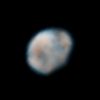
021-Vesta-2.jpg4-Vesta, from HST56 visiteHubble observation of Vesta: picture taken with the Wide Field Planetary Camera 2 on May 14 and 16, 2007.
MareKromium11/15/12 at 07:16Anakin: ...sembrava Marte :-). Comincio a pensare che corp...
|
|
021-Vesta-2.jpg4-Vesta, from HST56 visiteHubble observation of Vesta: picture taken with the Wide Field Planetary Camera 2 on May 14 and 16, 2007.
MareKromium11/14/12 at 20:10paolocf1963: Notare i colori: da Hubble, si vede bianco, bluast...
|
|

000-Ceres~0.jpgBig Asteroid or Small Planet?69 visiteLa decisione non è stata ancora presa, ma il problema rimane: 1-Cerere è un "grande" Asteroide o un "piccolo" Pianeta?
A parte tutto, Cerere sembra proprio essere un mondo a sè: le sue dimensioni (circa 930 Km di iametro) sono modeste ma, per un asteroide, alquanto consistenti (Cerere è comunque l'oggetto conosciuto più grande fra le (decine di) migliaia che si trovano in quella regione di spazio compresa fra le orbite di Marte e Giove e che è comunemente conosciuta come "Cintura degli Asteroidi" (o Asteroids' Belt).
Di 1-Cerere si parla molto in questi giorni perchè la IAU (International Astronomical Union) sta valutando se conferire a questo Corpo Celeste lo "status" di Pianeta vero e proprio oppure no, ma la NASA - a quanto si sa - era già da tempo interessata a questo piccolo mondo ed infatti, proprio in questi giorni, è in fase di completamento la preparazione della Sonda "Dawn" (alba) la quale verrà lanciata nel 2007 (forse a Giugno) e che dovrebbe raggiungere e studiare MOLTO da vicino l'asteroide Vesta (nel 2011) e - guarda caso... - proprio 1-Cerere, nel 2015 (l'Anno del possibile - ed auspicabile - "contatto" fra l'altra Sonda New Horizons ed il Doppio Pianeta - o Sistema Binario formato da - Plutone e Caronte.09/27/12 at 09:27paolocf1963: Esatto (incluso me)! Il declassamento di Plutone, ...
|
|
000-Ceres~0.jpgBig Asteroid or Small Planet?69 visiteLa decisione non è stata ancora presa, ma il problema rimane: 1-Cerere è un "grande" Asteroide o un "piccolo" Pianeta?
A parte tutto, Cerere sembra proprio essere un mondo a sè: le sue dimensioni (circa 930 Km di iametro) sono modeste ma, per un asteroide, alquanto consistenti (Cerere è comunque l'oggetto conosciuto più grande fra le (decine di) migliaia che si trovano in quella regione di spazio compresa fra le orbite di Marte e Giove e che è comunemente conosciuta come "Cintura degli Asteroidi" (o Asteroids' Belt).
Di 1-Cerere si parla molto in questi giorni perchè la IAU (International Astronomical Union) sta valutando se conferire a questo Corpo Celeste lo "status" di Pianeta vero e proprio oppure no, ma la NASA - a quanto si sa - era già da tempo interessata a questo piccolo mondo ed infatti, proprio in questi giorni, è in fase di completamento la preparazione della Sonda "Dawn" (alba) la quale verrà lanciata nel 2007 (forse a Giugno) e che dovrebbe raggiungere e studiare MOLTO da vicino l'asteroide Vesta (nel 2011) e - guarda caso... - proprio 1-Cerere, nel 2015 (l'Anno del possibile - ed auspicabile - "contatto" fra l'altra Sonda New Horizons ed il Doppio Pianeta - o Sistema Binario formato da - Plutone e Caronte.09/27/12 at 08:54Anakin: Grazie Paolo avevo gi? letto questa nomenclatura d...
|
|
000-Ceres~0.jpgBig Asteroid or Small Planet?69 visiteLa decisione non è stata ancora presa, ma il problema rimane: 1-Cerere è un "grande" Asteroide o un "piccolo" Pianeta?
A parte tutto, Cerere sembra proprio essere un mondo a sè: le sue dimensioni (circa 930 Km di iametro) sono modeste ma, per un asteroide, alquanto consistenti (Cerere è comunque l'oggetto conosciuto più grande fra le (decine di) migliaia che si trovano in quella regione di spazio compresa fra le orbite di Marte e Giove e che è comunemente conosciuta come "Cintura degli Asteroidi" (o Asteroids' Belt).
Di 1-Cerere si parla molto in questi giorni perchè la IAU (International Astronomical Union) sta valutando se conferire a questo Corpo Celeste lo "status" di Pianeta vero e proprio oppure no, ma la NASA - a quanto si sa - era già da tempo interessata a questo piccolo mondo ed infatti, proprio in questi giorni, è in fase di completamento la preparazione della Sonda "Dawn" (alba) la quale verrà lanciata nel 2007 (forse a Giugno) e che dovrebbe raggiungere e studiare MOLTO da vicino l'asteroide Vesta (nel 2011) e - guarda caso... - proprio 1-Cerere, nel 2015 (l'Anno del possibile - ed auspicabile - "contatto" fra l'altra Sonda New Horizons ed il Doppio Pianeta - o Sistema Binario formato da - Plutone e Caronte.09/26/12 at 15:39paolocf1963: Caro Anakin, posso dirti solo questo, citando la I...
|
|
| 26 immagini su 3 pagina(e) |
2 |
|
|
|





