| Ultimi commenti - The Best Frames from Viking Orbiter 1 and 2 |
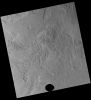
PHOBOS-451A06.pngPhobos over Iani Chaos (frame Viking: 34553639)113 visiteImage Id: 451A06
Center Latitude: -1.945031°
Center Longitude: 341.82642°
Solar Longitude: 331.55576°
Local Solar Time: 18.7825
Sample Resolution: 0.349275 km
Solar Incidence Angle: 65.52523°
Emission Angle: 17.508633°
Orbit: 451
Image Time: 1977-09-11 T16:09:49Z
Spacecraft: VIKING_ORBITER_1
Image Number: 34553639
Filter Name: CLEAR
Exposure Duration: 0.01697s
Line Resolution: 0.366696 km
Aspect Ratio: 1.049878
Phase Angle: 83.01045°
Slant Distance: 13711.231 km
Sun Azimuth: 90.210976°
Gain Mode ID: HIGH
Flood Mode ID: ON
Offset Mode ID: ON
Target Name: MARS
Mission Phase: EXTENDED_MISSION
Note: PHOBOS TRANSIT SEQUENCE
North Azimuth Angle: 191.46452°
Instrument: VISUAL_IMAGING_SUBSYSTEM_CAMERA_BMareKromium02/27/22 at 19:54Paolo C. Fienga: Ok, non è l'ombra di Phobos. E' Phobos.
|
|
![vo2_248b57[1].jpg](albums/userpics/10008/small_vo2_248b57%5B1%5D.jpg "Nome del file=vo2_248b57[1].jpg
Dimensione del file=87KiB
Dimensioni=1130x931
Aggiunta il=Dic 15, 2006")
vo2_248b57[1].jpgExtremely bright craters' edges66 visitenessun commento09/28/20 at 18:17MareKromium: O depositi ghiacciati, o chissà, come dice Walt...
|
|

MarsColors02-Viking.jpgVolcanic Outgassing from Arsia Mons? (EDM)2467 visitenessun commentoMareKromium10/25/19 at 15:41MareKromium: Tecnicamente. "Un Evento Atmosferico di porta...
|
|
MarsColors02-Viking.jpgVolcanic Outgassing from Arsia Mons? (EDM)2467 visitenessun commentoMareKromium10/25/19 at 15:39Anakin: titanio ben tornato. A sto punto la domanda, per q...
|
|
MarsColors02-Viking.jpgVolcanic Outgassing from Arsia Mons? (EDM)2467 visitenessun commentoMareKromium10/25/19 at 13:23MareKromium: Chiss? Titanio; chiss?......Forse, semplicemente, ...
|
|
MarsColors02-Viking.jpgVolcanic Outgassing from Arsia Mons? (EDM)2467 visitenessun commentoMareKromium10/25/19 at 13:00titanio44: condivido ,non so niente di geologia vulcani ecc,m...
|
|
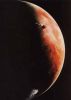
MarsColors01-Viking.jpgVolcanic Outgassing from Arsia Mons? (CTX Frame)124 visiteDURING THE FINAL APPROACH to Mars, just before going into orbit, the Viking Orbiters took a series of pictures of the Planet with different color filters. As the Planet rotated, different parts were photographed until almost the entire surface was covered.
The pictures taken with the various filters were then compared, and the color at each point on the surface was determined by means of a variety of sophisticated computer processing techniques. The results are displayed in frame (2) as Mercator Maps of the Equatorial Regions (the approach trajectory prevented good visibility of the Polar Regions, and they are not shown).
Although Mars has very distinct light and dark areas, differences in color are quite subtle. The appearance of the Planet is dominated by variations in brightness or albedo that cause the classical markings known from telescopic observations.
The color of the surface is a fairly uniform rusty brown and differences are so small that they can barely be seen.
NOTA Lunexit: nel frame in questione si vede BENISSIMO (anche se nessuno - neppure noi, sino a circa 5 minuti fa (ore 18:00 dell'AD 2011, Novembre, 6 - sembra averci MAI fatto caso) una "fumata vulcanica" di notevolissime dimensioni che potrebbe provenire sempre da Arsia Mons (diciamo che SEMBRA Arsia, ma non possiamo esserne sicuri al 100%). A questo punto, la recente "fumata" di Arsia (ripresa dalla Sonda ESA Mars Express) a noi non pare più il solo e semplice prodotto di una svista o di una interpretazione eccessivamente immaginifica dei dati. Molto probabilmente, anche se potrebbe trattarsi di mero vulcanismo residuale (ossìa di fenomenologie, si, vulcaniche, ma del tutto estemporanee e di entità minima), i Grandi Vulcani di Tharsis non sono ancora - e comunque non del tutto... - morti. E su questga riflessione, ci si dovrebbe fermare per un pò...10/24/19 at 16:19MareKromium: ...e nemmeno i Russi (che "curavano" ben...
|
|
MarsColors02-Viking.jpgVolcanic Outgassing from Arsia Mons? (EDM)2467 visitenessun commentoMareKromium10/24/19 at 16:16MareKromium: ....Un "velo di silenzio" ? passato su t...
|
|
MarsColors01-Viking.jpgVolcanic Outgassing from Arsia Mons? (CTX Frame)124 visiteDURING THE FINAL APPROACH to Mars, just before going into orbit, the Viking Orbiters took a series of pictures of the Planet with different color filters. As the Planet rotated, different parts were photographed until almost the entire surface was covered.
The pictures taken with the various filters were then compared, and the color at each point on the surface was determined by means of a variety of sophisticated computer processing techniques. The results are displayed in frame (2) as Mercator Maps of the Equatorial Regions (the approach trajectory prevented good visibility of the Polar Regions, and they are not shown).
Although Mars has very distinct light and dark areas, differences in color are quite subtle. The appearance of the Planet is dominated by variations in brightness or albedo that cause the classical markings known from telescopic observations.
The color of the surface is a fairly uniform rusty brown and differences are so small that they can barely be seen.
NOTA Lunexit: nel frame in questione si vede BENISSIMO (anche se nessuno - neppure noi, sino a circa 5 minuti fa (ore 18:00 dell'AD 2011, Novembre, 6 - sembra averci MAI fatto caso) una "fumata vulcanica" di notevolissime dimensioni che potrebbe provenire sempre da Arsia Mons (diciamo che SEMBRA Arsia, ma non possiamo esserne sicuri al 100%). A questo punto, la recente "fumata" di Arsia (ripresa dalla Sonda ESA Mars Express) a noi non pare più il solo e semplice prodotto di una svista o di una interpretazione eccessivamente immaginifica dei dati. Molto probabilmente, anche se potrebbe trattarsi di mero vulcanismo residuale (ossìa di fenomenologie, si, vulcaniche, ma del tutto estemporanee e di entità minima), i Grandi Vulcani di Tharsis non sono ancora - e comunque non del tutto... - morti. E su questga riflessione, ci si dovrebbe fermare per un pò...03/12/12 at 16:20paolocf1963: Ciao Grande Walt! Attendo tue e ti auguro il Megli...
|
|
MarsColors01-Viking.jpgVolcanic Outgassing from Arsia Mons? (CTX Frame)124 visiteDURING THE FINAL APPROACH to Mars, just before going into orbit, the Viking Orbiters took a series of pictures of the Planet with different color filters. As the Planet rotated, different parts were photographed until almost the entire surface was covered.
The pictures taken with the various filters were then compared, and the color at each point on the surface was determined by means of a variety of sophisticated computer processing techniques. The results are displayed in frame (2) as Mercator Maps of the Equatorial Regions (the approach trajectory prevented good visibility of the Polar Regions, and they are not shown).
Although Mars has very distinct light and dark areas, differences in color are quite subtle. The appearance of the Planet is dominated by variations in brightness or albedo that cause the classical markings known from telescopic observations.
The color of the surface is a fairly uniform rusty brown and differences are so small that they can barely be seen.
NOTA Lunexit: nel frame in questione si vede BENISSIMO (anche se nessuno - neppure noi, sino a circa 5 minuti fa (ore 18:00 dell'AD 2011, Novembre, 6 - sembra averci MAI fatto caso) una "fumata vulcanica" di notevolissime dimensioni che potrebbe provenire sempre da Arsia Mons (diciamo che SEMBRA Arsia, ma non possiamo esserne sicuri al 100%). A questo punto, la recente "fumata" di Arsia (ripresa dalla Sonda ESA Mars Express) a noi non pare più il solo e semplice prodotto di una svista o di una interpretazione eccessivamente immaginifica dei dati. Molto probabilmente, anche se potrebbe trattarsi di mero vulcanismo residuale (ossìa di fenomenologie, si, vulcaniche, ma del tutto estemporanee e di entità minima), i Grandi Vulcani di Tharsis non sono ancora - e comunque non del tutto... - morti. E su questga riflessione, ci si dovrebbe fermare per un pò...03/12/12 at 07:13walthari: ok Paolo, ti rispondo solo ora dopo diverse settim...
|
|
MarsColors01-Viking.jpgVolcanic Outgassing from Arsia Mons? (CTX Frame)124 visiteDURING THE FINAL APPROACH to Mars, just before going into orbit, the Viking Orbiters took a series of pictures of the Planet with different color filters. As the Planet rotated, different parts were photographed until almost the entire surface was covered.
The pictures taken with the various filters were then compared, and the color at each point on the surface was determined by means of a variety of sophisticated computer processing techniques. The results are displayed in frame (2) as Mercator Maps of the Equatorial Regions (the approach trajectory prevented good visibility of the Polar Regions, and they are not shown).
Although Mars has very distinct light and dark areas, differences in color are quite subtle. The appearance of the Planet is dominated by variations in brightness or albedo that cause the classical markings known from telescopic observations.
The color of the surface is a fairly uniform rusty brown and differences are so small that they can barely be seen.
NOTA Lunexit: nel frame in questione si vede BENISSIMO (anche se nessuno - neppure noi, sino a circa 5 minuti fa (ore 18:00 dell'AD 2011, Novembre, 6 - sembra averci MAI fatto caso) una "fumata vulcanica" di notevolissime dimensioni che potrebbe provenire sempre da Arsia Mons (diciamo che SEMBRA Arsia, ma non possiamo esserne sicuri al 100%). A questo punto, la recente "fumata" di Arsia (ripresa dalla Sonda ESA Mars Express) a noi non pare più il solo e semplice prodotto di una svista o di una interpretazione eccessivamente immaginifica dei dati. Molto probabilmente, anche se potrebbe trattarsi di mero vulcanismo residuale (ossìa di fenomenologie, si, vulcaniche, ma del tutto estemporanee e di entità minima), i Grandi Vulcani di Tharsis non sono ancora - e comunque non del tutto... - morti. E su questga riflessione, ci si dovrebbe fermare per un pò...02/21/12 at 14:37paolocf1963: ...Uhmmm... E cosa potrebbero essere allora?!? Fum...
|
|
MarsColors01-Viking.jpgVolcanic Outgassing from Arsia Mons? (CTX Frame)124 visiteDURING THE FINAL APPROACH to Mars, just before going into orbit, the Viking Orbiters took a series of pictures of the Planet with different color filters. As the Planet rotated, different parts were photographed until almost the entire surface was covered.
The pictures taken with the various filters were then compared, and the color at each point on the surface was determined by means of a variety of sophisticated computer processing techniques. The results are displayed in frame (2) as Mercator Maps of the Equatorial Regions (the approach trajectory prevented good visibility of the Polar Regions, and they are not shown).
Although Mars has very distinct light and dark areas, differences in color are quite subtle. The appearance of the Planet is dominated by variations in brightness or albedo that cause the classical markings known from telescopic observations.
The color of the surface is a fairly uniform rusty brown and differences are so small that they can barely be seen.
NOTA Lunexit: nel frame in questione si vede BENISSIMO (anche se nessuno - neppure noi, sino a circa 5 minuti fa (ore 18:00 dell'AD 2011, Novembre, 6 - sembra averci MAI fatto caso) una "fumata vulcanica" di notevolissime dimensioni che potrebbe provenire sempre da Arsia Mons (diciamo che SEMBRA Arsia, ma non possiamo esserne sicuri al 100%). A questo punto, la recente "fumata" di Arsia (ripresa dalla Sonda ESA Mars Express) a noi non pare più il solo e semplice prodotto di una svista o di una interpretazione eccessivamente immaginifica dei dati. Molto probabilmente, anche se potrebbe trattarsi di mero vulcanismo residuale (ossìa di fenomenologie, si, vulcaniche, ma del tutto estemporanee e di entità minima), i Grandi Vulcani di Tharsis non sono ancora - e comunque non del tutto... - morti. E su questga riflessione, ci si dovrebbe fermare per un pò...02/21/12 at 13:27Anakin: e se non fossero nubi?
|
|
| 70 immagini su 6 pagina(e) |
2 |  |
|
|
|





