| Ultimi commenti - Mars Reconnaissance Orbiter (MRO) |
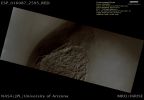
ESP_016087_2595_RED_abrowse.jpgFrost-covered Dunes (Natural Colors; credits: Dr Paolo C. Fienga - Lunexit Team)58 visiteDunes are often found on Crater Floors. In the Winter time, at high Northern Latitudes, the Terrain is covered by Carbon Dioxide Ice (Dry Ice - CO2 Ice). In the Spring, as this seasonal ice evaporates or sublimates, many unusual features - certainly unique to Mars - become visible.
On the Floor of this Crater, where there are no Dunes, the ice forms an uninterrupted layer. On the Dunes, however, Dark Streaks form as surface material from below the ice is mobilized and deposited on top of the ice. In some cases this mobile material probably slides down the steep face of the Dunes, while in other cases it may be literally blown out in a process of gas release similar to the one that we could obtain by removing a cork from a champagne bottle.
Nota Lunexit: ma i commenti NASA ai frames (non tutti, ma certamente alcuni, tipo questo) li fanno scrivere ai bambini ed alle bambine di Scuole Medie e/o Licei, per caso? Lo avevamo già stigmatizzato in passato ma, a volte, repetita juvant: alcuni commenti non solo sono, in sè, piuttosto naif (diciamo "ingenui", valà...) ed alquanto banali ma - e questa è la cosa più grave - essi contengono degli strafalcioni grammaticali (frequenti) e sintattici (meno di frequente) che fanno rabbrividire noi, poveri "ignoranti Italiani".
Bah...MareKromium01/17/10 at 10:57John Koenig: Paolo sei tremendo. E le tue citazioni latine mi f...
|
|

PSP_001602_1700_red_01~0.jpgThe "Central Uplift" of Oudemans Crater (EDM - possible Natural Colors; credits: Lunexit)56 visiteThis HiRISE image covers a portion of the Central Uplift of the 120-Km diameter Oudemans Crater.
Oudemans is located at the Western end of Valles Marineris and just South of the Great Canyon System by the Noctis Labyrinthus.
Images from the Mars Orbital Camera (MOC) were the first to reveal that this large impact crater exposed Layered Rock in its Central Uplift Feature.
Such beautifully preserved Layered Rocks, although rare, are no surprise to planetary scientists.
First, Layered Rocks exposed in the Central Uplifts are common in terrestrial impact structures. Secondly, there is abundant layering exposed in the nearby Valles Marineris Canyon System — a gash that exposes layering down to 7 Km beneath the mean Surface.
This suggests that Layered Materials exist to great depths in the Subsurface, which is supported by the Oudemans Central Uplift observation. MareKromium12/18/09 at 06:33walthari: uno spaccato stratigrafico splendido con tanto di ...
|
|

PSP_001942_2310_RED_abrowse-01.jpgSigns of Fluids and Ice in an Unnamed Crater in Acidalia Planitia (EDM - Absolute Natural Colors; credits for the additional process. and color.: Dr Paolo C. Fienga - Lunexit Team) 57 visiteThe South-looking (or Equator facing) walls of this Unnamed Crater are cut by numerous Gullies such as the ones shown here (500 x 600 mt or 550 x 650 yards), with well developed Alcoves, sinuous Channels and Terminal Fan Deposits.
These Gullies seem to originate at the same height, suggesting that the carving agent may have emanated from one single layer exposed in the Crater's Wall.
Contrastingly, no Gullies are observed in the North-looking (or Pole facing) wall of this Crater. Terrestrial Gullies very similar to the ones shown in this image are produced by surface water.
The arrows in this frame show fissures that may indicate detachment of surficial materials possibly held together by subsurface ice, sliding en masse down the crater's wall.MareKromium11/27/09 at 19:09george_p: La Nasa in realt? ? composta da un team amatoriale...
|
|
PSP_001942_2310_RED_abrowse-01.jpgSigns of Fluids and Ice in an Unnamed Crater in Acidalia Planitia (EDM - Absolute Natural Colors; credits for the additional process. and color.: Dr Paolo C. Fienga - Lunexit Team) 57 visiteThe South-looking (or Equator facing) walls of this Unnamed Crater are cut by numerous Gullies such as the ones shown here (500 x 600 mt or 550 x 650 yards), with well developed Alcoves, sinuous Channels and Terminal Fan Deposits.
These Gullies seem to originate at the same height, suggesting that the carving agent may have emanated from one single layer exposed in the Crater's Wall.
Contrastingly, no Gullies are observed in the North-looking (or Pole facing) wall of this Crater. Terrestrial Gullies very similar to the ones shown in this image are produced by surface water.
The arrows in this frame show fissures that may indicate detachment of surficial materials possibly held together by subsurface ice, sliding en masse down the crater's wall.MareKromium11/27/09 at 15:27MareKromium: ...Purtroppo, tranne gli Amici che ci leggono da &...
|
|

PSP_002066_1425_RED_browse-00~0.jpgGullies and Ice-rich Material (CTX Frame - Natural Colors; credits: Lunexit)58 visiteThis picture shows Gullies in an Unnamed Southern Crater.
Gullies typically form when flowing water has sufficient energy to erode soil and soft rock in a channelized flow.
The Gullies in this image have narrow, overlapping channels and are deeply incised into the slope. Overlapping channels may suggest multiple flow events on this slope wall.
It is unknown what happened to the water that flowed in these Gullies. Some of the water may have evaporated or gradually sublimated into the Atmosphere or became incorporated as ice in the Gully Debris Aprons located downslope at their Termini.
Sublimation is a process similar to evaporation, except that solid ice (instead of liquid water) returns to the atmosphere as a gas. Sublimation is common on Mars because the temperature and pressure are so low on Mars today that liquid water is only rarely stable.
Nota Lunexit: la NASA dice che "...liquid water on Mars is only RARELY stable...". Raramente, quindi, e NON "mai"!
A questo punto ci piacerebbe davvero sapere quando ed a quali condizioni occorre questa "stabilità" (che, a nostro parere, potrebbe e dovrebbe occorrere ANCHE oggi)...MareKromium11/26/09 at 13:32John Koenig: Ah... tempi andati... Oramai ho ben altro a cui pe...
|
|
PSP_002066_1425_RED_browse-00~0.jpgGullies and Ice-rich Material (CTX Frame - Natural Colors; credits: Lunexit)58 visiteThis picture shows Gullies in an Unnamed Southern Crater.
Gullies typically form when flowing water has sufficient energy to erode soil and soft rock in a channelized flow.
The Gullies in this image have narrow, overlapping channels and are deeply incised into the slope. Overlapping channels may suggest multiple flow events on this slope wall.
It is unknown what happened to the water that flowed in these Gullies. Some of the water may have evaporated or gradually sublimated into the Atmosphere or became incorporated as ice in the Gully Debris Aprons located downslope at their Termini.
Sublimation is a process similar to evaporation, except that solid ice (instead of liquid water) returns to the atmosphere as a gas. Sublimation is common on Mars because the temperature and pressure are so low on Mars today that liquid water is only rarely stable.
Nota Lunexit: la NASA dice che "...liquid water on Mars is only RARELY stable...". Raramente, quindi, e NON "mai"!
A questo punto ci piacerebbe davvero sapere quando ed a quali condizioni occorre questa "stabilità" (che, a nostro parere, potrebbe e dovrebbe occorrere ANCHE oggi)...MareKromium11/26/09 at 12:13MareKromium: Carissimo John, io non ho mai pensato che tu scriv...
|
|
PSP_002066_1425_RED_browse-00~0.jpgGullies and Ice-rich Material (CTX Frame - Natural Colors; credits: Lunexit)58 visiteThis picture shows Gullies in an Unnamed Southern Crater.
Gullies typically form when flowing water has sufficient energy to erode soil and soft rock in a channelized flow.
The Gullies in this image have narrow, overlapping channels and are deeply incised into the slope. Overlapping channels may suggest multiple flow events on this slope wall.
It is unknown what happened to the water that flowed in these Gullies. Some of the water may have evaporated or gradually sublimated into the Atmosphere or became incorporated as ice in the Gully Debris Aprons located downslope at their Termini.
Sublimation is a process similar to evaporation, except that solid ice (instead of liquid water) returns to the atmosphere as a gas. Sublimation is common on Mars because the temperature and pressure are so low on Mars today that liquid water is only rarely stable.
Nota Lunexit: la NASA dice che "...liquid water on Mars is only RARELY stable...". Raramente, quindi, e NON "mai"!
A questo punto ci piacerebbe davvero sapere quando ed a quali condizioni occorre questa "stabilità" (che, a nostro parere, potrebbe e dovrebbe occorrere ANCHE oggi)...MareKromium11/25/09 at 20:52John Koenig: Allora... forse le mie idozie forse non sono del t...
|
|
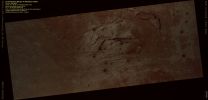
ESP_014304_1895_RED_abrowse.jpgSouth-Eastern Margin of Athabasca Valles (Natural Colors; credits: Lunexit)57 visitenessun commentoMareKromium11/09/09 at 10:46MareKromium: Splendida spiegazione Walt! - Grazie di Cuore. PCF
|
|
ESP_014304_1895_RED_abrowse.jpgSouth-Eastern Margin of Athabasca Valles (Natural Colors; credits: Lunexit)57 visitenessun commentoMareKromium11/09/09 at 07:34walthari: splendido esempio di erosione dovuta all'azion...
|
|
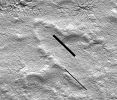
ESP_014282_0930_RED_abrowse-03.jpgSpiders (EDM n.2 - credits: Dr G. Barca)67 visite...Si, a questo punto è certo: si trattava di un image-artifact. Senza dubbi. Grandi complimenti al nostro sempre puntualissimo Dr Barca per la pazienza avuta!MareKromium11/05/09 at 12:00walthari: ok, ora ? bello chiaro, purtroppo lo sospettavo; g...
|
|

ESP_013499_1650-3.jpgDust Devil and the Star-like Surface Feature (image-mosaic; credits: Dr M. Faccin and Elisabetta Bonora)161 visiteGrazie agli sforzi congiunti del nostro Senior Partner e Tecnico dell'Immagine (Dr Marco Faccin) e della nostra Junior Partner e Collaboratrice Esterna (Elisabetta Bonora), abbiamo finalmente la possiblità di gettare un pizzico di luce e di chiarezza sul "mistero" dello Star-like Shining che viene ininterrottamente inquadrato dal MER Spirit da ormai un paio di mesi.
Ebbene, grazie alla doppia ripresa della medesima zona di Gusev Crater, come ottenuta dal MER Spirit e dalla Sonda Mars Reconnaissance Orbiter - una ripresa apparentemente finalizzata a descrivere il movimento di un Dust Devil - siamo riusciti ad individuare, dall'inquadratura orbitale, il dettaglio che, a nostro parere, dovrebbe costituire una tanto evidente, quanto difficilmente spiegabile, Anomalìa di Superficie.
Un dettaglio che, come Voi stessi potete verificare osservando l'EDM processato dal nostro Dr Faccin, si caratterizza per l'essere un OGGETTO REALE (apparentemente a pianta squadrata, di albedo elevata, capace di proiettare un'ombra e che ci risulta completamente NON-Contestualizzabile - ergo potrebbe anche trattarsi di un rilievo NON Naturale...) e NON, come qualcuno aveva ipotizzato, un image-artifact.
La distanza che separa, nel frame orbitale, il DD dallo Star-like Shining, la riteniamo compresa fra i 110 ed i 130 metri.
Da notare, infine, che nell'EDM proposto dalla NASA/JPL/Univ. of Arizona (guardate su http : / / hirise . lpl . arizona . edu / images / 2009 / details / cut / ESP_013499_1650_cut . jpg - rubricato come "Stunning Image"), il rilievo luminoso di cui si sta trattando è stato escluso dall'immagine (ci viene da dire "ovviamente"...).
Queste annotazioni le pubblichiamo affinchè Voi possiate svolgere le Vostre (a questo punto) INFORMATE e quanto mai OPPORTUNE riflessioni su una nuova - secondo noi sempre più affascinante e, per certi versi, sconcertante - "Martian Oddity".MareKromium11/04/09 at 12:402di7: Grazie MK :)
|
|
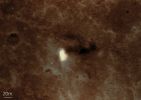
ESP_013499_1650-2.jpgDust Devil inside Gusev Crater (edm n.2 - Natural - but enhanced - Colors; credits: Lunexit)86 visiteQuesto EDM - che ci mostra un Dust Devil durante la sua corsa sulla Pianura di Gusev Crater - è stato realizzato dalla NASA.
L'importanza del frame, come ormai sapete, deriva dal fatto che il DD è stato ripreso in contemporanea da due punti di osservazione privilegiati: dall'orbita, grazie alla Sonda MRO, e dalla Superficie, grazie al MER Spirit.
Tutto fantastico, sicuramente.
Ci preme però sottolineare come il "taglio" della subimage in questione sia stato fatto in maniera tale da "eliminare" la visione della possibile Silver Sphere, presente a poco più di un centinaio di metri dal DD (Silver Sphere che è stata invece localizzata dal nostro Dr Faccin, tramite l'analisi del frame originale, nella sua versione in JP2).
Meditateci sopra...MareKromium11/04/09 at 12:14MareKromium: Attenzione Amici, evitiamo le confusioni "vis...
|
|
| 1160 immagini su 97 pagina(e) |
 |
|
|
|
|
62 | |
|
|
|
|





