| Ultimi commenti - Mars Reconnaissance Orbiter (MRO) |
PSP_003180_0945_RED_abrowse-01.jpgSouth Polar Dust Fans (EDM n.1 - Natural Colors; credits for the additional process. and color.: Dr Paolo C. Fienga - Lunexit Team)64 visitenessun commentoMareKromium08/02/10 at 07:09walthari: Quto MareK l'eiezione simultanea ? ben lungi d...
|
|
PSP_003180_0945_RED_abrowse-01.jpgSouth Polar Dust Fans (EDM n.1 - Natural Colors; credits for the additional process. and color.: Dr Paolo C. Fienga - Lunexit Team)64 visitenessun commentoMareKromium08/01/10 at 10:39andreagg: quindi ragionamento corretto, ma su basi sbagliate...
|
|
PSP_003180_0945_RED_abrowse-01.jpgSouth Polar Dust Fans (EDM n.1 - Natural Colors; credits for the additional process. and color.: Dr Paolo C. Fienga - Lunexit Team)64 visitenessun commentoMareKromium07/31/10 at 18:30MareKromium: Il tuo ragionamento ? sensato, ma quello che suppo...
|
|
PSP_003180_0945_RED_abrowse-01.jpgSouth Polar Dust Fans (EDM n.1 - Natural Colors; credits for the additional process. and color.: Dr Paolo C. Fienga - Lunexit Team)64 visitenessun commentoMareKromium07/31/10 at 17:46andreagg: grazie 1000 per la pronta risposta! Solo che pensa...
|
|
PSP_003180_0945_RED_abrowse-01.jpgSouth Polar Dust Fans (EDM n.1 - Natural Colors; credits for the additional process. and color.: Dr Paolo C. Fienga - Lunexit Team)64 visitenessun commentoMareKromium07/31/10 at 17:39MareKromium: Caro Andrea, lo sbuffo indica la direzione del ven...
|
|
PSP_003180_0945_RED_abrowse-01.jpgSouth Polar Dust Fans (EDM n.1 - Natural Colors; credits for the additional process. and color.: Dr Paolo C. Fienga - Lunexit Team)64 visitenessun commentoMareKromium07/31/10 at 17:35andreagg: Lo sbuffo indica la direzione del vento, giusto? S...
|
|
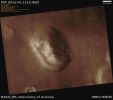
PSP_003234_2210_RED_abrowse.jpgDo You Remember Me? (Absolute Natural Colors; credits for the additional process. and color.: Dr Paolo C. Fienga - Lunexit Team)92 visiteCaption NASA:"HiRISE captured this image (in 2007) of an eroded mesa made famous by its similarity to a human face in a Viking Orbiter image with much lower spatial resolution and a different lighting geometry.
Compared to the original Viking image (dated 1976), HiRISE shows incredible detail, even from about 300 Km above the surface".
Nota Lunexit: una domanda che rivolgiamo, simpaticamente ed ironicamente, al Prof. Richard Hoagland ed ai suoi accoliti: ma la "Faccia" di Marte - e cioè "l'Evidenza Finale - parole di Hoagland - di una pregressa Civiltà Marziana", dov'è andata a finire???...MareKromium07/31/10 at 14:50MareKromium: John, l'idea mi piace, ma attento a dirla trop...
|
|

ESP_018522_2270-7-MF-PCF-LXTT~0.jpgBull's Eye Impact Crater (Absolute Natural Colors; credits for the additional process. and color.: Dr Paolo C. Fienga - Lunexit Team)64 visiteWhat caused the Central Pit within this Impact Crater: unusual Subsurface Layering or a lucky second impact? Impacts into layers of alternately strong and weak material – for example, ice rich versus non-ice-rich – produce terracing such as that seen between the Inner Pit and the Outer Rim. Scientists have used Terraced Craters to estimate the thickness of Lava Flows on the Moon and elsewhere. Uneven Sublimation and Periglacial Erosion of exposed ice-rich material in the interior of the Crater may explain why the small Central Pit is slightly offset from center relative to the Terrace and Rim of the larger Crater.
The Pit in the center of the main feature could also be from a later Impact Crater striking inside and slightly off-center from the original. It has a Raised Rim, which is characteristic of impact craters and is difficult to explain with a layered target. While no ejecta from this later impact can be seen, the ejecta could have been removed by extensive periglacial modification.
Additionally the Floor Fill around the Inner Crater resembles impact ejects elsewhere at this latitude, and some of the "Landslides" to the East could be flow-back of ejecta off the Walls of the larger crater.MareKromium07/31/10 at 14:49MareKromium: ...O, semplicemente, una serie di (almeno) tre str...
|
|
PSP_003234_2210_RED_abrowse.jpgDo You Remember Me? (Absolute Natural Colors; credits for the additional process. and color.: Dr Paolo C. Fienga - Lunexit Team)92 visiteCaption NASA:"HiRISE captured this image (in 2007) of an eroded mesa made famous by its similarity to a human face in a Viking Orbiter image with much lower spatial resolution and a different lighting geometry.
Compared to the original Viking image (dated 1976), HiRISE shows incredible detail, even from about 300 Km above the surface".
Nota Lunexit: una domanda che rivolgiamo, simpaticamente ed ironicamente, al Prof. Richard Hoagland ed ai suoi accoliti: ma la "Faccia" di Marte - e cioè "l'Evidenza Finale - parole di Hoagland - di una pregressa Civiltà Marziana", dov'è andata a finire???...MareKromium07/31/10 at 12:49John Koenig: Io proporrei un business: andare a fare il lifting...
|
|
ESP_018522_2270-7-MF-PCF-LXTT~0.jpgBull's Eye Impact Crater (Absolute Natural Colors; credits for the additional process. and color.: Dr Paolo C. Fienga - Lunexit Team)64 visiteWhat caused the Central Pit within this Impact Crater: unusual Subsurface Layering or a lucky second impact? Impacts into layers of alternately strong and weak material – for example, ice rich versus non-ice-rich – produce terracing such as that seen between the Inner Pit and the Outer Rim. Scientists have used Terraced Craters to estimate the thickness of Lava Flows on the Moon and elsewhere. Uneven Sublimation and Periglacial Erosion of exposed ice-rich material in the interior of the Crater may explain why the small Central Pit is slightly offset from center relative to the Terrace and Rim of the larger Crater.
The Pit in the center of the main feature could also be from a later Impact Crater striking inside and slightly off-center from the original. It has a Raised Rim, which is characteristic of impact craters and is difficult to explain with a layered target. While no ejecta from this later impact can be seen, the ejecta could have been removed by extensive periglacial modification.
Additionally the Floor Fill around the Inner Crater resembles impact ejects elsewhere at this latitude, and some of the "Landslides" to the East could be flow-back of ejecta off the Walls of the larger crater.MareKromium07/31/10 at 12:46John Koenig: Fantastico! Impatto multiplo? Onde d'impatto?
|
|
PSP_003234_2210_RED_abrowse.jpgDo You Remember Me? (Absolute Natural Colors; credits for the additional process. and color.: Dr Paolo C. Fienga - Lunexit Team)92 visiteCaption NASA:"HiRISE captured this image (in 2007) of an eroded mesa made famous by its similarity to a human face in a Viking Orbiter image with much lower spatial resolution and a different lighting geometry.
Compared to the original Viking image (dated 1976), HiRISE shows incredible detail, even from about 300 Km above the surface".
Nota Lunexit: una domanda che rivolgiamo, simpaticamente ed ironicamente, al Prof. Richard Hoagland ed ai suoi accoliti: ma la "Faccia" di Marte - e cioè "l'Evidenza Finale - parole di Hoagland - di una pregressa Civiltà Marziana", dov'è andata a finire???...MareKromium07/31/10 at 09:37MareKromium: Grande IVANA! paolo
|
|
PSP_003234_2210_RED_abrowse.jpgDo You Remember Me? (Absolute Natural Colors; credits for the additional process. and color.: Dr Paolo C. Fienga - Lunexit Team)92 visiteCaption NASA:"HiRISE captured this image (in 2007) of an eroded mesa made famous by its similarity to a human face in a Viking Orbiter image with much lower spatial resolution and a different lighting geometry.
Compared to the original Viking image (dated 1976), HiRISE shows incredible detail, even from about 300 Km above the surface".
Nota Lunexit: una domanda che rivolgiamo, simpaticamente ed ironicamente, al Prof. Richard Hoagland ed ai suoi accoliti: ma la "Faccia" di Marte - e cioè "l'Evidenza Finale - parole di Hoagland - di una pregressa Civiltà Marziana", dov'è andata a finire???...MareKromium07/30/10 at 22:22Ivana Tognoloni: Non penso che il punto sia ci? che le sonde hanno ...
|
|
| 1160 immagini su 97 pagina(e) |
 |
|
|
|
|
52 | |
|
|
|
|





