| Ultimi commenti - Mars Reconnaissance Orbiter (MRO) |
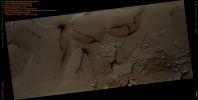
PSP_003597_1765_RED_abrowse-PCF-LXTT2.jpgPossible Smoke Emissions in Elysium Planitia (Natural Colors; credits for the additional process. and color.: Dr Paolo C. Fienga - Lunexit Team)124 visiteCaption NASA:"This observation shows fractured Mounds on the Southern Edge of Elysium Planitia. The Mounds are typically a few Km in diameter and about 200 feet tall. The fractures that crisscross their Surfaces are dilational (extensional) in nature, suggesting that the Mounds formed by localized uplift (i.e., they were pushed up from below).
The Mounds are probably composed of solidified Lava. They are contiguous with, and texturally similar to, the flood Lavas that blanket much of Elysium Planitia, and, where dilation cracks provide cross-sectional exposure, the uplifted material is rocky.
Patches of mechanically weak and disrupted material overlie the rocky mound material. This is particularly conspicuous in the Northeast corner of the HiRISE image. These patches may be remnants of a layer that was once more continuous but has been extensively eroded. Smooth Lava Plains fill the low-lying areas between the Mounds. They are riddled with sinuous pressure ridges.
The entire area is covered by a relatively thin layer of Dust and Sand".
Nota Lunexit: l'elemento più suggestivo dell'intero frame, completamente tralasciato dal commento NASA "Ufficiale", attiene quelle che a noi sembrano delle (evidenti e, riteniamo, anche piuttosto recenti) "emissioni di fumi", ben visibili in corrispondenza di quasi tutti i maggiori punti di fratturazione. E' proprio il dato, confermato dalla NASA stessa, per cui l'intera area ripresa è coperta da un sottile strato di sabbia e polvere (la quale dovrebbe conferire un colore denso e, soprattutto, uniforme a tutto il paesaggio) che ci fa ritenere recenti (se non recentissime) le summenzionate zone più scure ("macchiate", di fatto) e, dunque, molto probabilmente interessate da eventuali e persistenti emissioni di fumi, vapori (sulfurei?) e ceneri vulcaniche.MareKromium10/10/10 at 21:22andreagg: Che dire, se effettivamente sono lastre di lava l?...
|
|
PSP_003597_1765_RED_abrowse-PCF-LXTT2.jpgPossible Smoke Emissions in Elysium Planitia (Natural Colors; credits for the additional process. and color.: Dr Paolo C. Fienga - Lunexit Team)124 visiteCaption NASA:"This observation shows fractured Mounds on the Southern Edge of Elysium Planitia. The Mounds are typically a few Km in diameter and about 200 feet tall. The fractures that crisscross their Surfaces are dilational (extensional) in nature, suggesting that the Mounds formed by localized uplift (i.e., they were pushed up from below).
The Mounds are probably composed of solidified Lava. They are contiguous with, and texturally similar to, the flood Lavas that blanket much of Elysium Planitia, and, where dilation cracks provide cross-sectional exposure, the uplifted material is rocky.
Patches of mechanically weak and disrupted material overlie the rocky mound material. This is particularly conspicuous in the Northeast corner of the HiRISE image. These patches may be remnants of a layer that was once more continuous but has been extensively eroded. Smooth Lava Plains fill the low-lying areas between the Mounds. They are riddled with sinuous pressure ridges.
The entire area is covered by a relatively thin layer of Dust and Sand".
Nota Lunexit: l'elemento più suggestivo dell'intero frame, completamente tralasciato dal commento NASA "Ufficiale", attiene quelle che a noi sembrano delle (evidenti e, riteniamo, anche piuttosto recenti) "emissioni di fumi", ben visibili in corrispondenza di quasi tutti i maggiori punti di fratturazione. E' proprio il dato, confermato dalla NASA stessa, per cui l'intera area ripresa è coperta da un sottile strato di sabbia e polvere (la quale dovrebbe conferire un colore denso e, soprattutto, uniforme a tutto il paesaggio) che ci fa ritenere recenti (se non recentissime) le summenzionate zone più scure ("macchiate", di fatto) e, dunque, molto probabilmente interessate da eventuali e persistenti emissioni di fumi, vapori (sulfurei?) e ceneri vulcaniche.MareKromium10/10/10 at 20:11MareKromium: Allora? Nessun commento sui "fumi" di El...
|
|
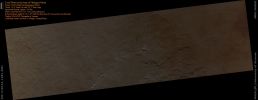
ESP_018534_1985_RED_abrowse-PCF-LXTT1.jpgLava Flows at the base of Olympus Mons (Absolute Natural Colors; credits for the additional process. and color.: Dr Paolo C. Fienga - Lunexit Team)109 visitenessun commentoMareKromium10/07/10 at 18:22MareKromium: Esatto! Abbraccio - paolo
|
|
ESP_018534_1985_RED_abrowse-PCF-LXTT1.jpgLava Flows at the base of Olympus Mons (Absolute Natural Colors; credits for the additional process. and color.: Dr Paolo C. Fienga - Lunexit Team)109 visitenessun commentoMareKromium10/07/10 at 15:51Ufologo: Mah, io l'ho visto, ma ... un UFO ? tutt'a...
|
|
ESP_018534_1985_RED_abrowse-PCF-LXTT1.jpgLava Flows at the base of Olympus Mons (Absolute Natural Colors; credits for the additional process. and color.: Dr Paolo C. Fienga - Lunexit Team)109 visitenessun commentoMareKromium10/07/10 at 10:20andreagg: ahahah! Non me lo aspettavo da te... ahahah ;) Su ...
|
|
ESP_018534_1985_RED_abrowse-PCF-LXTT1.jpgLava Flows at the base of Olympus Mons (Absolute Natural Colors; credits for the additional process. and color.: Dr Paolo C. Fienga - Lunexit Team)109 visitenessun commentoMareKromium10/07/10 at 07:38MareKromium: ...E' gi? successo e, lo dico arrossendo, un d...
|
|
ESP_018534_1985_RED_abrowse-PCF-LXTT1.jpgLava Flows at the base of Olympus Mons (Absolute Natural Colors; credits for the additional process. and color.: Dr Paolo C. Fienga - Lunexit Team)109 visitenessun commentoMareKromium10/06/10 at 20:47andreagg: Bello il trattino nero al centro dell'immagine...
|
|
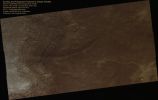
PSP_002070_2250_RED_browse-00~0.jpgPolygons in Utopia Planitia (Natural Colors; credits for the additional process. and color.: Dr Paolo C. Fienga - Lunexit Team)121 visitenessun commentoMareKromium10/05/10 at 09:51Ufologo: ... Comunque, uno che si fa certe domande, per com...
|
|
PSP_002070_2250_RED_browse-00~0.jpgPolygons in Utopia Planitia (Natural Colors; credits for the additional process. and color.: Dr Paolo C. Fienga - Lunexit Team)121 visitenessun commentoMareKromium10/05/10 at 08:052di7: ... e alla domanda di titanio e walthari, attendo ...
|
|
PSP_002070_2250_RED_browse-00~0.jpgPolygons in Utopia Planitia (Natural Colors; credits for the additional process. and color.: Dr Paolo C. Fienga - Lunexit Team)121 visitenessun commentoMareKromium10/05/10 at 06:34walthari: Ci domanda perch? facciamo questo ed io rispondo.....
|
|
PSP_002070_2250_RED_browse-00~0.jpgPolygons in Utopia Planitia (Natural Colors; credits for the additional process. and color.: Dr Paolo C. Fienga - Lunexit Team)121 visitenessun commentoMareKromium10/04/10 at 20:39george_p: Ahahah Grandissimo Marco!!! ^^
|
|
PSP_002070_2250_RED_browse-00~0.jpgPolygons in Utopia Planitia (Natural Colors; credits for the additional process. and color.: Dr Paolo C. Fienga - Lunexit Team)121 visitenessun commentoMareKromium10/04/10 at 20:21andreagg: Bella risposta MK!
|
|
| 1160 immagini su 97 pagina(e) |
 |
|
|
|
|
46 | |
|
|
|
|





