| |

| Ultimi commenti - Mars Reconnaissance Orbiter (MRO) |

PSP_009342_1725_RED_abrowse-08.jpgWorm-like Indigenous Lifeform? (Enhanced Natural Colors; credits for the additional process. and color.: Dr Paolo C. Fienga - Lunexit Team) 431 visitenessun commentoMareKromium08/15/21 at 17:30MareKromium: Notizia di oggi: "...secondo uno studio (???)...
|
|
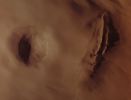
PSP_002922_1725_RED_abrowse-03.jpgPossible Volcanic "Mouth", on Arsia Mons' Flank (EDM - Natural Colors - credits for the additional process.: Dr Paolo C. Fienga)94 visitenessun commentoMareKromium05/10/21 at 17:49MareKromium: Questa "fenditura" ? recente. E dei Gran...
|
|

ESP_012584_1265_RED_abrowse-01.jpg"Hot Surprise" in Nia Vallis (EDM - credits: Dr M. Faccin)115 visiteUn inconfondibile "segno di calore" è apparso in quelle che, a nostro parere, sono le immediate vicinanze della Superficie: una piccola "fiamma" che, se non altro nella sua forma (a "Fiaccola", o "Flare"), nelle sue dimensioni (siamo nell'ordine del metro o poco più) e colore (la Fiaccola, guarda caso, è "Blu"...), ci ricorda la fantomatica Blue Flare che tanto ha intrigato ed intriga i Ricercatori di Anomalìe Lunari.
In questo frame, la nostra piccola "Blue Flare" aleggia/emerge sulla/dalla Superficie di Nia Vallis o nelle sue immediatissime vicinanze (ossìa potrebbe librarsi a pochi metri dal suolo).
La configurazione del dettaglio - una volta escluso l'image-artifact - ci suggerisce l'eventualità per cui si possa trattare di un fenomeno equiparabile ai cosiddetti "fuochi fatui", di terrestre (e, spesso, "lugubre") memoria, ossìa combustione di modesti quantitativi di gas derivanti da decomposizione di elementi organici (usualmente si tratta di Metano o Fosfano).
I luoghi "preferiti" per la verificazione di questo tipo di fenomeni sono i cimiteri, le aree ricche di acque stagnanti o semi-stagnanti (paludi e stagni) e le brughiere.
In questo caso...siamo su Marte e quindi, tutto sommato, i cimiteri ci sentiamo di escluderli come possibile causa della Flare.
Ed anche la brughiera non sembra un luogo attinente, vista la regione sorvolata dalla Sonda.
Ma come escludere la presenza di acque stagnanti sub-superficiali, magari ricchissime di elementi organici?
Cosa c'è - REALMENTE - nel sottosuolo di Marte?MareKromium03/06/21 at 14:12MareKromium: Si. Abbiamo due immagini, in questa Galleria, che ...
|
|
ESP_012584_1265_RED_abrowse-01.jpg"Hot Surprise" in Nia Vallis (EDM - credits: Dr M. Faccin)115 visiteUn inconfondibile "segno di calore" è apparso in quelle che, a nostro parere, sono le immediate vicinanze della Superficie: una piccola "fiamma" che, se non altro nella sua forma (a "Fiaccola", o "Flare"), nelle sue dimensioni (siamo nell'ordine del metro o poco più) e colore (la Fiaccola, guarda caso, è "Blu"...), ci ricorda la fantomatica Blue Flare che tanto ha intrigato ed intriga i Ricercatori di Anomalìe Lunari.
In questo frame, la nostra piccola "Blue Flare" aleggia/emerge sulla/dalla Superficie di Nia Vallis o nelle sue immediatissime vicinanze (ossìa potrebbe librarsi a pochi metri dal suolo).
La configurazione del dettaglio - una volta escluso l'image-artifact - ci suggerisce l'eventualità per cui si possa trattare di un fenomeno equiparabile ai cosiddetti "fuochi fatui", di terrestre (e, spesso, "lugubre") memoria, ossìa combustione di modesti quantitativi di gas derivanti da decomposizione di elementi organici (usualmente si tratta di Metano o Fosfano).
I luoghi "preferiti" per la verificazione di questo tipo di fenomeni sono i cimiteri, le aree ricche di acque stagnanti o semi-stagnanti (paludi e stagni) e le brughiere.
In questo caso...siamo su Marte e quindi, tutto sommato, i cimiteri ci sentiamo di escluderli come possibile causa della Flare.
Ed anche la brughiera non sembra un luogo attinente, vista la regione sorvolata dalla Sonda.
Ma come escludere la presenza di acque stagnanti sub-superficiali, magari ricchissime di elementi organici?
Cosa c'è - REALMENTE - nel sottosuolo di Marte?MareKromium03/05/21 at 20:31walthari: quindi artificiale?
|
|
ESP_012584_1265_RED_abrowse-01.jpg"Hot Surprise" in Nia Vallis (EDM - credits: Dr M. Faccin)115 visiteUn inconfondibile "segno di calore" è apparso in quelle che, a nostro parere, sono le immediate vicinanze della Superficie: una piccola "fiamma" che, se non altro nella sua forma (a "Fiaccola", o "Flare"), nelle sue dimensioni (siamo nell'ordine del metro o poco più) e colore (la Fiaccola, guarda caso, è "Blu"...), ci ricorda la fantomatica Blue Flare che tanto ha intrigato ed intriga i Ricercatori di Anomalìe Lunari.
In questo frame, la nostra piccola "Blue Flare" aleggia/emerge sulla/dalla Superficie di Nia Vallis o nelle sue immediatissime vicinanze (ossìa potrebbe librarsi a pochi metri dal suolo).
La configurazione del dettaglio - una volta escluso l'image-artifact - ci suggerisce l'eventualità per cui si possa trattare di un fenomeno equiparabile ai cosiddetti "fuochi fatui", di terrestre (e, spesso, "lugubre") memoria, ossìa combustione di modesti quantitativi di gas derivanti da decomposizione di elementi organici (usualmente si tratta di Metano o Fosfano).
I luoghi "preferiti" per la verificazione di questo tipo di fenomeni sono i cimiteri, le aree ricche di acque stagnanti o semi-stagnanti (paludi e stagni) e le brughiere.
In questo caso...siamo su Marte e quindi, tutto sommato, i cimiteri ci sentiamo di escluderli come possibile causa della Flare.
Ed anche la brughiera non sembra un luogo attinente, vista la regione sorvolata dalla Sonda.
Ma come escludere la presenza di acque stagnanti sub-superficiali, magari ricchissime di elementi organici?
Cosa c'è - REALMENTE - nel sottosuolo di Marte?MareKromium03/05/21 at 11:43MareKromium: Oggetto Metallico. Dodici anni dopo. Ne sono certo...
|
|

Kunowsky_Crater_-_Sand_Dunes-StripedDunes_HiRISE_1182.jpgStriped Sand Dunes126 visiteCaption NASA:"Why are these sand dunes on Mars striped?
No one is sure.
The featured image shows striped dunes in Kunowsky Crater on Mars, photographed recently with the Mars Reconnaissance Orbiter’s HiRISE Camera.
Many Martian dunes are known to be covered unevenly with carbon dioxide (dry ice) frost, creating patterns of light and dark areas. Carbon dioxide doesn’t melt, but sublimates, turning directly into a gas. Carbon dioxide is also a greenhouse material even as a solid, so it can trap heat under the ice and sublimate from the bottom up, causing geyser-like eruptions. During Martian spring, these eruptions can cause a pattern of dark defrosting spots, where the darker sand is exposed.
The featured image, though, was taken during Martian Autumn, when the weather is getting colder – making these stripes particularly puzzling. One hypothesis is that they are caused by cracks in the ice that form from weaker eruptions or thermal stress as part of the day-night cycle, but research continues.
Watching these dunes and others through more Martian seasons may give us more clues to solve this mystery".MareKromium01/20/21 at 10:34MareKromium: Marte ? strano, come Venere ed altre Lune dei Giga...
|
|
Kunowsky_Crater_-_Sand_Dunes-StripedDunes_HiRISE_1182.jpgStriped Sand Dunes126 visiteCaption NASA:"Why are these sand dunes on Mars striped?
No one is sure.
The featured image shows striped dunes in Kunowsky Crater on Mars, photographed recently with the Mars Reconnaissance Orbiter’s HiRISE Camera.
Many Martian dunes are known to be covered unevenly with carbon dioxide (dry ice) frost, creating patterns of light and dark areas. Carbon dioxide doesn’t melt, but sublimates, turning directly into a gas. Carbon dioxide is also a greenhouse material even as a solid, so it can trap heat under the ice and sublimate from the bottom up, causing geyser-like eruptions. During Martian spring, these eruptions can cause a pattern of dark defrosting spots, where the darker sand is exposed.
The featured image, though, was taken during Martian Autumn, when the weather is getting colder – making these stripes particularly puzzling. One hypothesis is that they are caused by cracks in the ice that form from weaker eruptions or thermal stress as part of the day-night cycle, but research continues.
Watching these dunes and others through more Martian seasons may give us more clues to solve this mystery".MareKromium01/19/21 at 06:59Anakin: Nei colori o altro? Certo che mi piacerebbe propri...
|
|
Kunowsky_Crater_-_Sand_Dunes-StripedDunes_HiRISE_1182.jpgStriped Sand Dunes126 visiteCaption NASA:"Why are these sand dunes on Mars striped?
No one is sure.
The featured image shows striped dunes in Kunowsky Crater on Mars, photographed recently with the Mars Reconnaissance Orbiter’s HiRISE Camera.
Many Martian dunes are known to be covered unevenly with carbon dioxide (dry ice) frost, creating patterns of light and dark areas. Carbon dioxide doesn’t melt, but sublimates, turning directly into a gas. Carbon dioxide is also a greenhouse material even as a solid, so it can trap heat under the ice and sublimate from the bottom up, causing geyser-like eruptions. During Martian spring, these eruptions can cause a pattern of dark defrosting spots, where the darker sand is exposed.
The featured image, though, was taken during Martian Autumn, when the weather is getting colder – making these stripes particularly puzzling. One hypothesis is that they are caused by cracks in the ice that form from weaker eruptions or thermal stress as part of the day-night cycle, but research continues.
Watching these dunes and others through more Martian seasons may give us more clues to solve this mystery".MareKromium01/09/21 at 11:52Ufologo: Certo che 'sto Marte ................
|
|
Kunowsky_Crater_-_Sand_Dunes-StripedDunes_HiRISE_1182.jpgStriped Sand Dunes126 visiteCaption NASA:"Why are these sand dunes on Mars striped?
No one is sure.
The featured image shows striped dunes in Kunowsky Crater on Mars, photographed recently with the Mars Reconnaissance Orbiter’s HiRISE Camera.
Many Martian dunes are known to be covered unevenly with carbon dioxide (dry ice) frost, creating patterns of light and dark areas. Carbon dioxide doesn’t melt, but sublimates, turning directly into a gas. Carbon dioxide is also a greenhouse material even as a solid, so it can trap heat under the ice and sublimate from the bottom up, causing geyser-like eruptions. During Martian spring, these eruptions can cause a pattern of dark defrosting spots, where the darker sand is exposed.
The featured image, though, was taken during Martian Autumn, when the weather is getting colder – making these stripes particularly puzzling. One hypothesis is that they are caused by cracks in the ice that form from weaker eruptions or thermal stress as part of the day-night cycle, but research continues.
Watching these dunes and others through more Martian seasons may give us more clues to solve this mystery".MareKromium01/08/21 at 11:07MareKromium: Ma questa immagine Vi pare verosimile?!?
|
|

ESP_022578_2030_and_ESP_014007_2030.jpgSand-Lakes (3D - Credits for the additional process.: Marco Faccin and Elisabetta Bonora)92 visitenessun commentoMareKromium12/18/20 at 17:23MareKromium: La "sintesi" é dei Grandi, Amico Mio!...
|
|
ESP_022578_2030_and_ESP_014007_2030.jpgSand-Lakes (3D - Credits for the additional process.: Marco Faccin and Elisabetta Bonora)92 visitenessun commentoMareKromium12/18/20 at 17:08walthari: è un lavoro molto sintetico....
|
|
ESP_022578_2030_and_ESP_014007_2030.jpgSand-Lakes (3D - Credits for the additional process.: Marco Faccin and Elisabetta Bonora)92 visitenessun commentoMareKromium12/18/20 at 17:06MareKromium: Ricevuto. Pochi days e pubblico. MOLTO interessant...
|
|
| 1160 immagini su 97 pagina(e) |
|
3 | |
|
|
|
|
|
|
|
|
|
|





