Mars Reconnaissance Orbiter (MRO)
|
|
|
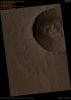
ESP_020948_1450_RED_abrowse-PCF-LXTT.jpgOlivine-rich Unnamed Crater in Terra Sirenum (Absolute Natural Colors; credits for the additional process. and color.: Dr Paolo C. Fienga - Lunexit Team)225 visitenessun commentoMareKromium
|
|
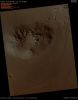
ESP_020949_2115_RED_abrowse.jpgUnnamed Crater's Central Uplift in Amazonis Planitia (Natural Colors; credits for the additional process. and color.: Dr Paolo C. Fienga - Lunexit Team)192 visitenessun commentoMareKromium
|
|

ESP_020950_1410_RED_abrowse.jpgRelatively recent Impact Crater with Gullies and exposed Bedrock (Absolute Natural Colors; credits for the additional process. and color.: Dr Paolo C. Fienga - Lunexit Team)390 visitenessun commentoMareKromium
|
|

ESP_020951_1435_RED_abrowse.jpgUnnamed Crater in Terra Cimmeria (Natural Colors; credits for the additional process. and color.: Dr Paolo C. Fienga - Lunexit Team)573 visitenessun commentoMareKromium
|
|
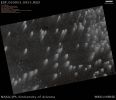
ESP_020953_0925_RED_abrowse-00.jpgSouthern Fans (Absolute Natural Colors; credits for the additional process. and color.: Dr Paolo C. Fienga - Lunexit Team)98 visitenessun commentoMareKromium
|
|
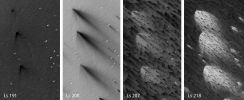
ESP_020953_0925_RED_abrowse-01.jpgEvolution of Southern Fans (an Image-Mosaic by NASA/JPL/University of Arizona)98 visiteThis is a sequence of 4 images acquired in Early Southern Spring over a particular spot in the South Polar Region. The changes in patterns are so great over just half a season that it is difficult to believe that the images cover the same ground. This composite helps by focusing on 3 distinctive Fans as they evolve. The Dark Fans turn into broad Bright Fans, then new small Dark Fans form inside the old Bright Fans. The newer Dark Fans form along cracks forming polygonal or other patterns.
These changes are driven by Sublimation and Condensation of volatiles, primarily CO2. Sunlight passes through the Ice to warm Subsurface Pockets of Gas which escape to form cold jets and the wind blows to form Fans on the Surface, depositing Dark Dust and Bright Frost.
Note: The Martian year is measured by 360° of Areocentric Longitude of the Sun or "Ls", where Ls 180-270 marks Southern Spring and Northern Fall. The Ls of each image is marked in each subframe and covers only 30% of the Spring.MareKromium
|
|

ESP_020954_0935_RED_abrowse-PCF-LXTT.jpgSouth Polar "Spiders" (Absolute Natural Colors; credits: Dr Paolo C. Fienga - Lunexit Team)445 visitenessun commentoMareKromium
|
|

ESP_020955_1785_RED_abrowse-PCF-LXTT.jpgRidges inside Schiaparelli Crater (Natural Colors; credits for the additional process. and color.: Dr Paolo C. Fienga - Lunexit Team)491 visitenessun commentoMareKromium
|
|
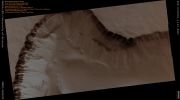
ESP_020956_1115_RED_abrowse.jpgFrosted presso-polar "Pit Gullies" (Absolute Natural Colors; credits for the additional process. and color.: Dr Paolo C. Fienga - Lunexit Team)88 visitenessun commentoMareKromium
|
|

ESP_020956_1955_RED_abrowse-PCF-LXTT.jpgYardangs inside Trouvelot Crater (Natural Colors; credits for the additional process. and color.: Dr Paolo C. Fienga - Lunexit Team)617 visitenessun commentoMareKromium
|
|

ESP_020957_1290_RED_abrowse-PCF-LXTT.jpgFeatures of Galle Crater (Absolute Natural Colors; credits for the additional process. and color.: Dr Paolo C. Fienga)519 visitenessun commentoMareKromium
|
|

ESP_020957_1975_RED_abrowse-PCF-LXTT.jpgNune Crater (Absolute Natural Colors; credits for the additional process. and color.: Drr Marco Faccin and Paolo C. Fienga - Lunexit Team)458 visitenessun commentoMareKromium
|
|
| 2236 immagini su 187 pagina(e) |
 |
|
|
|
|
48 | |
|
|
|
|








