Walking on Mars with Spirit and Opportunity
|
|
|

SOL736-2P191701110ESFANHEP2562L6M1.jpg"Bubble Rock" - Sol 73667 visiteCaption originale:"Left Pan-Cam Non-linearized Sub-frame EDR acquired on Sol 736 of Spirit's mission to Gusev Crater at approximately 11:25:04 MLT. Camera commanded to use Filter 6 (482 nm)".
|
|

SOL736-2P191705514ESFANHEP2565L7M1.jpgMr Boulder - Sol 73664 visiteCaption originale:"Left Pan-Cam Non-linearized Sub-frame EDR acquired on Sol 736 of Spirit's mission to Gusev Crater at approximately 12:36:31 MLT. Camera commanded to use Filter 7 (432 nm)".
|
|
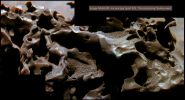
SOL736-MF-LXTT.jpgIgneous Sculpture - Sol 736 (an Image-Mosaic in Natural Colors by Dr Marco Faccin - Lunexit Team)65 visitenessun commentoMareKromium
|
|

SOL736-MI-1.jpgLava? - Sol 736 (True Colors + MULTISPECTRUM; credits: Dr M. Faccin & Lunexit)64 visitenessun commentoMareKromium
|
|
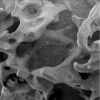
SOL736-PIA02157.jpgThird Strike! - Sol 73684 visiteTerzo strike di Lunar Explorer! Per la terza volta in pochissimi giorni, infatti, la NASA ha speso qualche parola per spiegare un frame sul quale ci eravamo soffermati anche noi, operando delle speculazioni. Come sempre, quello che la NASA dice è completamente diverso da quello che diciamo noi (ma non fa niente, anzi!...) e, come sempre, le spiegazioni NASA, seppur logicamente accettabili, secondo noi fanno a pugni con le evidenze delle quali disponiamo.
Ad ogni modo, noi siamo molto contenti e Vi rimandiamo a quello che ci viene raccontato da Pasadena: la teoria "più accettabile", decidetela - come sempre - Voi stessi!
Original caption:NASA's MER Spirit used its MI to capture this spectacular jagged mini-landscape on a rock called "GongGong" Measuring only 3 cm(about 1,2") across, this surface records two of the most important and violent forces in the history of Mars -- volcanoes and wind.
GongGong formed billions of years ago in a seething, stirring mass of molten rock. It captured bubbles of gases that were trapped at great depth but had separated from the main body of lava as it rose to the surface. Like taffy being stretched and tumbled, the molten rock was deformed as it moved across an ancient Martian landscape. The tiny bubbles of gas were deformed as well, becoming elongated. When the molten lava solidified, the rock looked like a frozen sponge.
Far from finished with its life, the rock then withstood billions of years of pelting by small sand grains carried by Martian dust storms that sometimes blanketed the planet. The sand wore away the surface until, little by little, the delicate strands that enclosed the bubbles of gas were breached and the spiny texture we see today emerged.
Even now, wind continues to deposit sand and dust in the holes and crevices of the rock.
Similar rocks can be found on Earth where the same complex interplay of volcanoes and weathering occur, whether it be the pelting of rocks by sand grains in the Mojave desert or by ice crystals in the frigid Antarctic.
GongGong is one of a group of rocks studied by Spirit and informally named by the Athena Science Team to honor the Chinese New Year (the Year of the Dog). In Chinese mythology, GongGong was the god-king of water in the North Land. When he sacrificed his life to knock down Mount BuZhou, he defeated the bad Emperor in Heaven, freed the sun, moon and stars to go from east to west, and caused all the rivers in China to flow from west to east.
Spirit's microscopic imager took this image during on the rover's 736th day, or sol, of exploring Mars (Jan. 28, 2006). The rock lies in the "Inner Basin" between "Husband Hill" and "McCool Hill" in Gusev Crater. Spirit acquired the image while the rock was fully shadowed, with diffuse illumination mostly from the top in this view.
|
|

SOL736.jpgLava? - Sol 736 (Superdefinition + MULTISPECTRUM; credits: Dr G. Barca & Lunexit)64 visitenessun commentoMareKromium
|
|

SOL738-1.jpgLooking Down - Sol 738 (natural colors; credits: Dr G. Barca)74 visitenessun commentoMareKromium
|
|

SOL738-2P191885214EFFANKCP2356R1M1.jpgBoulder field (1) - Sol 73863 visiteUno spettacolare "boulder field" in cui possiamo vedere, oltre ad un cospicuo numero di pseudo-rocce, anche alcuni macigni di notevoli dimensioni (in particolare quelli che vedete alla Vostra Dx) che paiono essere ricoperti da un "qualcosa" che noi abbiamo deciso di chiamare(scherzosamente, ma non troppo) "Martian Vegetation".
Per coloro che non avessero letto le nostre pregresse riflessioni sulla materia, rammentiamo che per Vegetazione Marziana noi non intendiamo nulla di riferibile al concetto terrestre di vegetazione e non implichiamo neppure l'attuale "vitalità" di questa ipotetica vegetazione (ben potrebbe trattarsi, infatti, di residui fossili di un qualche tipo). Ciò che sottolineiamo e stigmatizziamo è il fatto che, a nostro parere, la spiegazione fornita dalla NASA sulla possibile natura di questi rilievi, ci pare piuttosto forzata e semplicistica.
In futuro, poi, si vedrà chi avrà avuto ragione...
|
|

SOL738-2P191885371EFFANKCP2356L7M1.jpgBoulder field (2) - Sol 738106 visitenessun commento
|
|

SOL738-2P191885564EFFANKCP2356L7M1.jpgBoulder field (3) - Sol 73862 visitenessun commento
|
|

SOL738-2P191885953EFFANKCP2356R1M1.jpgBoulder field (4) - Sol 73887 visiteCerchiature Verdi: due rocce davvero curiose e, in particolare, in quella più a Dx, sembra intuirsi la presenza di almeno due alterazioni digitali (una sulla sua stessa superficie ed un'altra a ridosso di una seconda roccia, di colore scuro e leggermente più lontana, visibile sulla Sx del macigno maggiore - che la eclissa parzialmente).
Cerchiature Fucsia: pseudo photo-artifacts. Molti pensano che si tratti di dead-pixels o di vizi veri e propri dell'immagine causati da una lacuna di segnale (pixels non trasmessi o "persi" in itinere).
Può essere, certamente; così come può anche essere che si tratti di corpuscoli rocciosi molto luminosi - tipo cristalli - che, nei frames Spirit, appaiono (per motivi legati al tipo di filtro/colore usato, oppure ai tempi di ripresa, o magari a causa delle condizioni di luce effettive in loco al momento dello scatto et sim.) come "sparks". Purtroppo non abbiamo elementi sufficienti per operare una scelta decisa e definitiva.
Ad ogni modo, sulla base della nostra esperienza e sensibilità, saremmo portati a dire che si tratta (QUASI sempre) di photo-artifacts.
|
|

SOL738-2R191884097EFFANK8P1301L0M1.jpgFunny-looking boulder... - Sol 73874 visitenessun commento
|
|
| 5458 immagini su 455 pagina(e) |
 |
|
|
|
|
413 | |
|
|
|
|








