Walking on Mars with Spirit and Opportunity
|
|
|
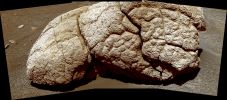
OPP-SOL251-2-GB.jpgThe "Sleeping Bear" (a.k.a.: "Wopmay") - Sol 251 (possible True Colors; credits: Dr G. Barca & Lunexit)71 visitenessun commentoMareKromium
|
|

OPP-SOL251-2.jpgWopmay - Sol 251 (MULTISPECTRUM; elab. Lunexit)66 visiteMareKromium
|
|

OPP-SOL251-Endurance Panorama.jpgEndurance Crater (mosaic panorama from "NASA - Picture of the Day")70 visiteUn Panorama "ridondante", pubblicato sul Sito "NASA - Picture of the Day" del giorno 11 Ottobre 2004. Vale la pena riportare una parte del commento originale all'immagine: "...Possible choices for the Opportunity rover team on Earth (...) were to send the Martian robot inside Endurance Crater toward the arc-shaped sand dunes on the left, the unusually shaped rock on the right slope dubbed Wopmay and lower parts of Burns Cliff at the top of the craters inner slopes. The Opportunity rover team chose 1-meter diameter rock Wopmay as their next target and closer photographs are already being returned. (...) Opportunity has recently found rocks in Endurance crater with a network of cracks potentially indicative of dried mud, bolstering the case that Mars had a wet ancient past". Secondo noi il fatto di parlare di prove solo "potentially indicative...that Mars had a wet ancient past", a questo punto, è ridicolo. Che cosa deve vedere il Rover per smuovere la NASA? Delle cascate come quelle del Niagara?
|
|
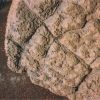
OPP-SOL252.jpgClose View of Wopmay - Sol 252 (natural colors; credits: Dr Gianluigi Barca)73 visitenessun commentoMareKromium
|
|

OPP-SOL255-1N150824929EFF36C3P1990R0M1.jpgTracks in the "mud"83 visiteUn'immagine che ci aiuta a vedere (di più e meglio del solito) che le sabbie che si trovano all'interno di Endurance Crater non sono esattamente "sabbie desertiche". Le tracce lasciate dal Rover e che in questo frame si vedono così bene sembrano disegnate sul fango o, comunque, su un terriccio assolutamente morbido e dalle caratteristiche diverse ed incoerenti rispetto a quanto potremmo e dovremmo attenderci se i dati NASA relativi alle temperature superficiali del Pianeta Rosso fossero davvero corretti. Che dire? Nulla. Non possiamo fare altro che continuare ad osservare, registrare ed attendere; prima o poi i silenzi e le bugie (dalle gambe sempre più corte...) finiranno.
|
|

OPP-SOL255.jpgThe subsurface of Meridiani - Sol 255 (natural colors + MULTISPECTRUM; credits: Dr Gianluigi Barca & Lunexit)74 visitenessun commentoMareKromium
|
|

OPP-SOL257-1N151002395EFF36CLP1992R0M1.jpgLooking at the "Big White" stone (1) - Sol 25774 visiteMentre Spirit continua a "riflettere" sul da farsi, Opportunity non smette di guardare con crescente attenzione la grande roccia bianca che ha interessato davvero tutti a causa (anche) delle sue strane fattezze e della sua superficie - ricoperta di palline di roccia - che sembra essere fatta da "placche ad incastro". La voglia di avanzare delle ipotesi ulteriori sulla natura di questa roccia e delle "escrescenze" che la caratterizzano è forte, ma ci rendiamo conto che qualsiasi idea tirassimo fuori in questo momento, per quanto tecnica ed elaborata essa possa essere, equivarrebbe - in sostanza - a "tirare ad indovinare", e questo non ci sembra giusto. Dunque...Osserviamo e basta (tanto di personaggi, più o meno famosi) che "sparano nel buio", sulla Rete, ce ne sono già tantissimi...(!)
|
|
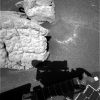
OPP-SOL257-1N151002432EFF36CLP1992R0M1.jpgLooking at the "Big White" stone (2)63 visitevedi commento al frame precedente
|
|
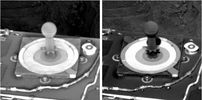
OPP-SOL257-frostyCalTarget-B312R1.jpgFrost? - Sol 25776 visiteCaption NASA originale:"Frost can form on surfaces if enough water is present and the temperature is sufficiently low. On each of NASA's MER's, the calibration target for the PanCam provides a good place to look for such events. A thin frost was observed by Opportunity's PanCam on the Rover's 257th Sol (Oct. 13, 2004), just 11 minutes after sunrise (left image). The presence of the frost is most clearly seen on the post in the center of the target, particularly when compared with the unsegmented outer ring of the target, which is white. The post is normally black. For comparison, note the difference in appearance in the image on the right, taken about 3 hours later, after the frost had dissipated. Frost has not been observed at Spirit, where the amount of atmospheric water vapor is observed to be appreciably lower. Both images were taken through a filter centered at a wavelenght of 440 nnmts (blue)".
|
|
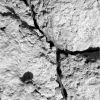
OPP-SOL259-1M151175190EFF36CLP2956M2M1.jpgMartian "berry" - detail mgnf (1)113 visiteVi offriamo due immagini riprese dal Rover Opportunity con il suo "microscopic imager" le quali ci potrebbero essere di grande aiuto per comprendere qualcosa di più delle "bacche marziane" che costellano la zona di Endurance Crater e che ricoprono la grande Roccia Bianca che tanto ha interessato ed interessa i Tecnici del Controllo Missione (e noi!).
Guardate attentamente questa immagine e la successiva; cercate in particolare di prestare la massima attenzione alla "bacca" che, in entrambi i casi, viene messa (quasi) in primo piano.
La prima "bacca" (cioè quella di questo frame) denota una specie di crepa centrale e, al suo interno (Vi suggeriamo di operare qualche ingrandimento dell'immagine per vedere meglio), sembra essere - almeno in parte - cava.
La seconda "bacca", invece, è perfettamente chiusa, lucida e rotonda.
Entrambe, inoltre, sembrano attaccate alla grande Pietra Bianca da qualcosa che potrebbe essere una sorta di "filamento" di roccia.
|
|
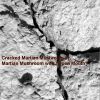
OPP-SOL259-1M151175240EFF36CLP2977M2M1.jpgMartian Mushroom with "open mouth"... - Sol 259112 visiteAffascinante, unico ed incommentabile: con una immagine simile, infatti, ognuno può legittimamente pensare quello che vuole...
|
|
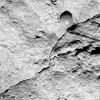
OPP-SOL259-1M151176851EFF36CLP2956M2M1.jpgMartian "berry" - detail mgnf (2)113 visiteNoi, dopo aver visto ed esaminato con la massima attenzione e cura (oltre che con tutti i mezzi a noi disponibili) queste ultime 2 immagini (oltre a tantissime altre simili), dobbiamo dire che la sensazione che queste "bacche" NON appartengano affatto al regno minerale (come si continua a dire alla NASA) si sta facendo sempre più forte. Noi, infatti, abbiamo iniziato a considerare con estrema serietà l'ipotesi che si tratti di semplici forme di vita animale o, perchè no?, vegetale, ormai ridotte allo stato di fossili.
Questo argomento è di grande delicatezza e complessità e non è decisamente possibile affrontarlo seriamente in poche righe. Tra non molto tempo la Sezione "NEWS" di Lunar Explorer Italia diventerà operativa: ne parleremo lì.
|
|
| 5458 immagini su 455 pagina(e) |
 |
|
|
|
|
35 | |
|
|
|
|








