Walking on Mars with Spirit and Opportunity
|
|
|
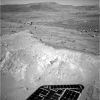
SOL462-2N167384565EFFA9HEP0637R0M1.jpgPanorama and rocks - Sol 462 (3)62 visitenessun commento
|
|
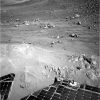
SOL462-2N167384627EFFA9HEP0637R0M1.jpgPanorama and rocks - Sol 462 (4)97 visitenessun commento
|
|
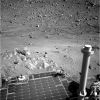
SOL462-2N167384773EFFA9HEP0637L0M1.jpgPanorama and rocks - Sol 462 (5)63 visitenessun commento
|
|

SOL463-Dust_Devil-enhanced_463e-A476R1.jpgMany Dust Devils near Spirit on Sol 46384 visitenessun commento
|
|

SOL463-dd_enhanced_463e-A476R1.jpgDust Devils near Spirit - Sol 463 (Tri-chromatic Version; credits for the additional process. and color.: Dr Paolo C. Fienga - Lunar Explorer Italia)74 visitenessun commentoMareKromium
|
|
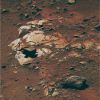
SOL464-1.jpgUNBELIEVABLE BALANCE (plus White Stones, Reddish Sand and Greenish Dust)! - Sol 464 (True Colors + MULTISPECTRUM; credits: Dr G. Barca & Lunexit)140 visite...Avevamo già parlato di "Equilibri Impossibili", vero?!?...Guardate la roccia scura ed aiutateci a capire come fa a stare in quella posizione...Su che cosa poggia?!?
Complimenti al Dr Barca per la MAGNIFICA elaborazione!MareKromium
|
|
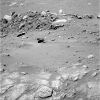
SOL464-2P167559331EFFA9HEP2280R1M1.jpgStones around Spirit (Sol 464) - 167 visitenessun commento
|
|
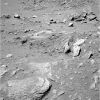
SOL464-2P167560253EFFA9HEP2280R1M1.jpgStones around Spirit (Sol 464) - 267 visitenessun commento
|
|
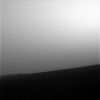
SOL464-2P167574545EFFA9HEP2679L2M1.jpgSunset on Gusaev Crater: a late picture65 visiteLe lontane (e nebbiose, in teoria...) colline che la PanCam di Spirit vede in lontananza, riprese alle ore 18:13:41 MLT: un'ora tarda per scattare fotografie ma...la qualità dell'immagine è (sembra) perfetta eppure il Sole è già tramontato! Ricordate quello che abbiamo detto nella Sezione "Mars in the '70's"?
Per un'atmosfera sottile come i "dati ufficiali" dicono, il pieno giorno di Marte dovrebbe già mostrarci un cielo scuro (quasi nero...) ed invece siamo in serata ed il cielo Marziano è ancora chiaro e (almeno apparentemente) luminoso. Anche la 'canonica' foschia da 'polveri in sospensione' sembra essere assente.
Forse le fotografie - come noi stessi riconosciamo - non sono una prova 'probante', ma noi non crediamo che sarebbe possibile ottenere immagini simili se i dati 'ufficiali' sull'atmosfera Marziana - così come comunicati dalla NASA - fossero in tutto e per tutto esatti.
Quindi: 1) o le immagini sono 'ritoccate', o 2) l'atmosfera di Marte non è affatto sottile come si dice.
Voi che dite?!?
|
|
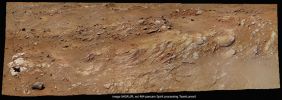
SOL464-MF1-LXTT.jpgWhat a Balance! - Sol 464 (CTX Frame - Natural Colors; credits: Drr Marco Faccin and Paolo C. Fienga - Lunexit Team)75 visitenessun commentoMareKromium
|
|
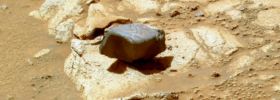
SOL464-MF2-LXTT.jpgWhat a Balance! - Sol 464 (Natural Colors; credits: Drr Marco Faccin and Paolo C. Fienga - Lunexit Team)112 visitenessun commentoMareKromium
|
|
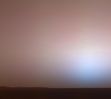
SOL464-PIA07930.jpgSunset on Gusev Crater as a "human eye" would see it - Sol 46478 visiteCaption NASA originale:"Here is the martian twilight sky at Gusev crater, as imaged by the PanCam on NASA's MER Spirit around 18:20 in the evening of the Rover's 464th Sol (April 23, 2005). Spirit was commanded to stay awake briefly after sending that Sol's data to Mars Odyssey at sunset. This small panorama of the western sky was obtained using camera's 750-nnmt, 530-nnmt and 430-nnmt color filters. This filter combination allows false color images to be generated that are similar to what a human would see, but with the colors exaggerated. In this image, the bluish glow in the sky above where the Sun had just set would be visible to us if we were there, but the redness of the sky farther from the sunset is exaggerated compared to the daytime colors of the martian sky.
These kinds of images are beautiful and evocative, but they also have important scientific purposes. Specifically, twilight images are occasionally acquired by the science team to determine how high into the atmosphere the martian dust extends, and to look for dust or ice clouds. Other images have shown that the twilight glow remains visible, but increasingly fainter, for up to two hours before sunrise or after sunset. The long martian twilight compared to Earth's is caused by sunlight scattered around to the night side of the planet by abundant high altitude dust. Similar long twilights or extra-colorful sunrises and sunsets sometimes occur on Earth when tiny dust grains that are erupted from powerful volcanoes scatter light high in the atmosphere. These kinds of twilight images are also more sensitive to faint cloud structures, though none were detected when these images were acquired. Clouds have been rare at Gusev crater during Spirit's 16-month mission so far".
|
|
| 5458 immagini su 455 pagina(e) |
 |
|
|
|
|
302 | |
|
|
|
|








