Walking on Mars with Spirit and Opportunity
|
|
|

OPP-SOL786-1N197958312EFF68M8P1795R0M1.jpgLooking behind (1) - Sol 78663 visitenessun commento
|
|

OPP-SOL786-1N197958385EFF68M8P1795L0M1.jpgLooking behind (2) - Sol 78663 visitenessun commento
|
|
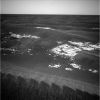
OPP-SOL786-1N197958422EFF68M8P1795R0M1.jpgUnusual features of a dune... - Sol 78671 visitenessun commento
|
|
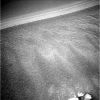
OPP-SOL786-1N197961630EFF68M8P1950R0M1.jpgMartian "sands" (close-up) - Sol 78671 visitenessun commento
|
|
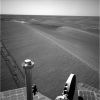
OPP-SOL789-1N198230807EFF68Q9P0655R0M1.jpgNice landscape and deep tracks! (1) - Sol 789150 visitenessun commento
|
|
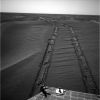
OPP-SOL789-1N198231874EFF68Q9P1976R0M1.jpgNice landscape and deep tracks! (2) - Sol 78971 visitenessun commento
|
|
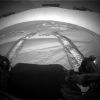
OPP-SOL789-1R198227842EFF68NXP1373R0M1.jpgNice landscape and deep tracks! (3) - Sol 78963 visitenessun commento
|
|
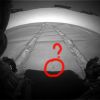
OPP-SOL789-1R198228128EFF68OLP1375L0M1.jpgRear-View, with (possible) photoartifact - Sol 78983 visiteCaption NASA originale:"Left Rear HazCam Non-linearized Full frame EDR acquired on Sol 789 of Opportunity's mission to Meridiani Planum at approximately 12:20:53 MLT".
|
|
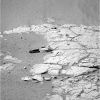
OPP-SOL791-1P198407290EFF68Q9P2572R1M1.jpgRazor-blades & recent water... (1) - Sol 79163 visiteCracks and fins in the sand in an American desert look very similar to features seen on Mars and may indicate the recent presence of water at the surface, according to a new study by researcher Greg Chavdarian and Dawn Sumner, associate professor of geology at UC Davis.
"Recent, as in ongoing now" Sumner said. Images from MER Opportunity show patterns of cracks across the surface of boulders and outcrops. Some of these cracks are associated with long, thin fins that protrude from the surface. Those features look very similar to cracks and fins that form on the sulfate-rich sands at White Sands National Monument in New Mexico. The Desert National Park has a similar geological environment to the area of Mars visited by Opportunity, Sumner said. Chavdarian spent weeks surveying the features at White Sands for an undergraduate research project. He conducted lab experiments to try and reproduce the effects. He found that the cracks at White Sands only form and grow in damp (--- umida) sand, especially during the wet months of the winter.
|
|
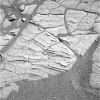
OPP-SOL791-1P198408172EFF68Q9P2574L7M1~0.jpgRazor-blades & recent water... (2) - Sol 79172 visiteIn June, the sand was dry and cracks were filled in or worn away.
Cracks do form in drying mud, but this is not mud, Sumner said. There was no explanation for the formation of these types of cracks in sulfate sands before Opportunity landed, she said. Chavdarian also looked at two types of thin, brittle fins poking a few inches out of the desert sand, usually facing into the wind. The most common type was found only in January, when the sand was moist. Chavdarian and Sumner think that the fins are formed when water seeps into cracks in the sand, carrying minerals with it. The water evaporates away, leaving behind those minerals, which are exposed as the wind blows sand away. Windblown material sticks to the exposed fin, making it larger and stronger.
If the cracks and fins seen by Opportunity on Mars are formed in the same way as the features at White Sands, it would provide evidence for water at the surface of Mars away from the Polar Ice Caps, which are mostly formed by CO2 and water ice.
|
|
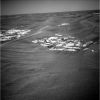
OPP-SOL792-1N198499844EFF68VNP0695R0M1.jpgPanorama (1) - Sol 79267 visitenessun commento
|
|
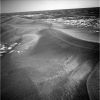
OPP-SOL792-1N198499895EFF68VNP0695R0M1.jpgPanorama (2) - Sol 79284 visitenessun commento
|
|
| 5458 immagini su 455 pagina(e) |
 |
|
|
|
|
143 | |
|
|
|
|








