Mars from Orbit (from July 2009)
|
|
|
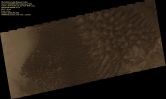
Craters-Russel_Crater-20091112b.jpgRussel Crater and its Dunefield (Natural Colors; credits: Lunexit)64 visitenessun commentoMareKromium
|
|
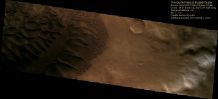
Craters-Russel_Crater-Dunefield-20080317a-PCF-LXTT.jpgDunefield inside Russel Crater (Absolute Natural Colors; credits for the additional process. and color.: Dr Paolo C. Fienga - Lunexit Team)79 visiteCaption NASA:"This beautiful Dunefield is located on the Floor of Russell Crater, in the Noachis Region of Mars".
MareKromium
|
|

Craters-Russel_Crater-Dunefield-PIA13887-PCF-LXTT.jpgRussel Crater's Dunefield (Absolute Natural Colors; credits for the additional process. and color.: Dr Paolo C. Fienga - Lunexit Team)241 visitenessun commentoMareKromium
|
|
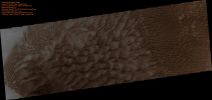
Craters-Russel_Crater-Dunefield-PIA13918-PCF-LXTT.jpgDunes in Russel Crater (Absolute Natural Colors; credits for the additional process. and color.: Dr Paolo C. Fienga - Lunexit Team)198 visitenessun commentoMareKromium
|
|

Craters-Russel_Crater-IR-00.jpgThe "Warm Dunes" of Russell Crater (IR - False Colors)65 visiteCaption NASA:"This InfraRed image shows the main dune field on the floor of Russell Crater. The dunes are bright in this daytime image because they are warm. The sand material is dark".
Coord.: 54,6° South Lat. and 13,0° East Longitude
Nota: nelle immagini IR i rilievi più "luminosi" sono anche quelli "più caldi". Ok. Ma la NASA non si ferma a questo rilievo tecnico e ci dice pure, se leggete con attenzione, che mentre il "dunefield" è luminoso, dunque caldo, i rilievi costituiti da materiali "sabbiosi" (sand material) sono scuri, dunque freddi.
Ma, scusate...seguendo questa logica (dune bright---> calde; sabbia dark---> fredda), la domanda sorge spontanea: ma di che cosa sono "fatte" le dune?!?
O meglio: la "sabbia" che forma le dune (e che si scalda al Sole) in che cosa è diversa rispetto alla sabbia che NON forma le dune - e che rimane fredda - ma che giace comunque al suolo e sul fondo del Cratere Russel? O abbiamo capito male?!? Voi che ne pensate?MareKromium
|
|
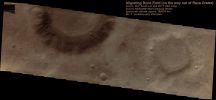
Craters-Ruza_Crater-20070523a-PCF-LXTT.jpgRuza Crater (Natural Colors; credits for the additional process. and color.: Dr Paolo C. Fienga - Lunexit Team)183 visitenessun commentoMareKromium
|
|
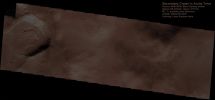
Craters-Secondary_Crater-Aonia_Terra-PCF-LXTT.jpgSecondary Crater in Aonia Terra (Absolute Natural Colors; credits for the additional process. and color.: Dr Paolo C. Fienga)70 visitenessun commentoMareKromium
|
|
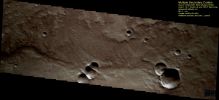
Craters-Secondary_Craters-20080428a.jpgMultiple Secondary Craters (Natural Colors; credits for the additonal process. and color.: Dr Paolo C. Fienga - Lunexit Team)124 visitenessun commentoMareKromium
|
|

Craters-Secondary_Craters-ArabiaTerra-PIA08759-PCF-LXTT.jpgSeconday Craters in Arabia Terra Region (Absolute Natural Colors; credits for the additional process. and color.: Dr Paolo C. Fienga - Lunexit Team)336 visitenessun commentoMareKromium
|
|

Craters-Secondary_Craters-Arabia_Terra-PIA08759-1.jpgSeconday Craters in Arabia Terra Region64 visiteCaption NASA originale: "This portion of the Arabia Terra Region has several different layers of material exposed.
These layers (usually) occur at the highland/lowland boundary".
Image information: VIS instrument;
Latitude: 26,7° North;
Longitude: 341,0° East;
Resolution: 19 meter/pixel.
|
|
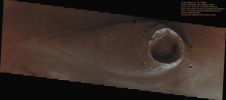
Craters-Streamlined_Crater_in_Tiu_Valles-20071015a-PCF-LXTT.jpgUnnamed "Streamlined" Crater (Enhanced Absolute Natural Colors; credits for the additional process. and color: Dr Paolo C. Fienga - Lunexit Team)198 visitenessun commentoMareKromium
|
|

Craters-Terby_Crater-PIA14152-PCF-LXTT.jpgLayered Features inside Terby Crater (Absolute Natural Colors; credits for the additional process. and color.: Dr Paolo C. Fienga - Lunexit Team)291 visitenessun commentoMareKromium
|
|
| 1004 immagini su 84 pagina(e) |
 |
|
|
|
|
35 | |
|
|
|
|








