From Ashes to Eternity: the Phoenix Mars Mission
|
|
|

PHOE-SOL007-lg_2274-B.jpgIce on the Lander - Sol 7 (false colors; credits: Dr M. Faccin)64 visiteUn frame bellissimo, un detail mgnf quasi inequivocabile, un grandissimo Lavoro del Dr Faccin. Tutto qui. E scusate se è poco...MareKromium
|
|
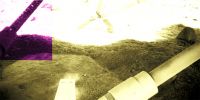
PHOE-SOL007-lg_2289.jpgIce on the Lander - Sol 7 (false colors; credits: Dr M. Faccin)63 visitenessun commentoMareKromium
|
|

PHOE-SOL008-MartianWinds.gifMartian Winds - Sol 8 (GIF-Movie; credits: Dr M. Faccin)63 visiteUn GIF-Movie spettacolare (magari la NASA ne facesse di simili!...) il quale ci mostra quanto forte spira il Vento su Vastitas Borealis.
Complimenti e Congratulazioni al Dr Faccin: SPLENDIDO!MareKromium
|
|

PHOE-SOL008-PIA10787.gifBlowing in the Wind... (GIF-Movie; credits: NASA)63 visiteCaption NASA:"These are two separate, side-by-side animations made from the same 9 images the Surface Stereo Imager (SSI) on NASA's Phoenix Mars Lander took looking into the sky after 17:17 MLT on Sol 8 (June 2, 2008), such as the eighth Martian day of the mission. The SSI was pointed almost straight up, toward the South-West.
Zenith is near the top of the center frame.
In the left animation, the images were stretched to enhance contrast. The right animation highlights variations between each image and the next. The variations are likely dust blown by winds passing through the SSI's field of view. The images suggest the dust is blowing from West to East".MareKromium
|
|
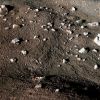
PHOE-SOL008-lg_2330-2331-2334.jpgThe soil of Vastitas Borealis - Sol 8 (Natural Colors + MULTISPECTRUM; credits: Dr Gianluigi Barca & Lunexit)63 visiteDue annotazioni: 1) come aveva già notato il nostro Caro Amico e Socio, Sig. Canobbio, sulla pianura dove Phoenix è scesa non si è ancora riusciti ad individuare alcun "Martian Berry", o "Frutto di Bosco Marziano".
Un fatto, questo, piuttosto curioso e che ci riporta alla nostra vecchia idea (che sarà pure "estrema" e "fantasiosa"...ma a noi piace!) secondo cui i "Martian Berries" non sono affatto "sferule di roccia" le quali sono il risultato di processi vulcanici ed eolici, bensì "fossili" di quelle che potevano essere delle Forme Vitali Indigene che abitavano l'Oceanus Meridiani (oggi: Meridiani Planum). Un Oceano Equatoriale, con clima e caratteristiche ben diverse dalla Regione Nordica di Vastitas. Pensateci sopra...
2) il nostro color processing fa "emergere" costantemente delle aree verdastre, le quali sembrano ricoperte di licheni di un qualche tipo. Aree verdastre che, nel color processing NASA, scompaiono (anzi: proprio non esistono!). Avete delle opinioni in merito?!?MareKromium
|
|
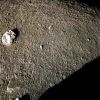
PHOE-SOL008-lg_2336-2337-2342.jpgThe soil of Vastitas Borealis - Sol 8 (Natural Colors + MULTISPECTRUM; credits: Dr Gianluigi Barca & Lunexit)63 visitenessun commentoMareKromium
|
|
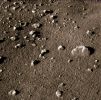
PHOE-SOL008-lg_2580-2581-2582.jpgThe soil of Vastitas Borealis - Sol 8 (Natural Colors + MULTISPECTRUM; credits: Dr Gianluigi Barca & Lunexit)65 visitenessun commentoMareKromium
|
|
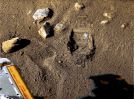
PHOE-SOL009-2884.jpgICE!!!!! - Sol 9 (Superdefinition + MULTISPECTRUM; credits: Dr Marco Faccin & Lunexit)98 visiteSenza Parole...MareKromium
|
|
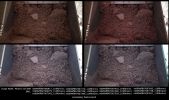
PHOE-SOL009-MF-LXTT.jpgVastitas' Icy Terrain - Sol 9 (an Image-Mosaic in Natural and Enhanced Natural Colors by Marco Faccin - Lunexit Team)65 visitenessun commentoMareKromium
|
|
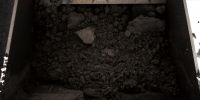
PHOE-SOL009-lg_2750-2751-2752.jpgOne "scoop" of Vastitas... - Sol 9 (True Colors; credits: Dr Gianluigi Barca)63 visitenessun commentoMareKromium
|
|
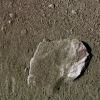
PHOE-SOL009-lg_2945-2947-2949.jpgFlat White-Rock - Sol 9 (True Colors; credits: Dr Gianluigi Barca)65 visitenessun commentoMareKromium
|
|

PHOE-SOL009-lg_2964.jpgIce or Salt? - Sol 9 (MULTISPECTRUM; credits: Lunexit)63 visitenessun commentoMareKromium
|
|
| 399 immagini su 34 pagina(e) |
 |
|
|
|
|
8 | |
|
|
|
|








