From Ashes to Eternity: the Phoenix Mars Mission
|
|
|

PHOE-SOL137-lg39703-39704-39705-2.jpgMicroscopic Vastitas - Sol 137 (Superdefinition and possible True Colors; credits: Dr G. Barca & Lunexit)77 visitenessun commentoMareKromium
|
|

PHOE-SOL138-lg40031-40032-40033-2.jpgThe "Trenches" - Sol 138 (Superdefinition and possible True Colors; credits: Dr G. Barca)64 visitenessun commentoMareKromium
|
|
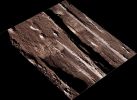
PHOE-SOL138-lg40031-40032-40033-3.jpgThe "Trenches" in Perspective - Sol 138 (Superdefinition and possible True Colors; credits: Dr G. Barca)64 visitenessun commentoMareKromium
|
|
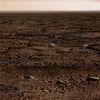
PHOE-SOL139-lg40083-40084-40086-2.jpgHorizon... - Sol 139 (possible True Colors; credits: Dr G. Barca)88 visitenessun commentoMareKromium
|
|
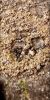
PHOE-SOL140-lg40140-40141-40142-2.jpgMicroscopic Vastitas - Sol 140 (Superdefinition and possible True Colors; credits: Dr G. Barca)112 visitenessun commentoMareKromium
|
|

PHOE-SOL140-lg40161-40162-40163-2.jpgMicroscopic Vastitas - Sol 140 (Superdefinition and possible True Colors; credits: Dr G. Barca)93 visitenessun commentoMareKromium
|
|

PHOE-SOL140-lg40164-40165-40166-2.jpgMicroscopic Vastitas - Sol 140 (Superdefinition and possible True Colors; credits: Dr G. Barca)90 visitenessun commentoMareKromium
|
|

PHOE-SOL140-lg40232-40233-40234-2.jpgWorking on Vastitas... - Sol 140 (Superdefinition and possible True Colors; credits: Dr G. Barca)93 visitenessun commentoMareKromium
|
|

PHOE-SOL141-lg40570-40571-40575-2.jpgThe "reddish" Surface of Vastitas Borealis - Sol 141 (possible True Colors; credits: Dr G. Barca)114 visitenessun commentoMareKromium
|
|

PHOE-SOL142-PhoenixHolyCowMosaicAPOD.jpgHoly Cow! - Sol 142 (possible True Colors; credits: Marco Di Lorenzo and Kenneth Kremer)64 visiteDa "NASA - Picture of the Day", del giorno 12 Novembre 2008:"The Northern Martian Summer is waning. As predicted, a decline in daylight hours, deteriorating weather, and dust storms are preventing solar arrays on the Phoenix Mars Lander from providing power. Phoenix's last signal was received on November 2, its successful mission ending after more than 5 months in the Arctic Region of the Red Planet, a run that exceeded its planned operational lifetime. Attempting to discover if Mars' Surface has ever been able to support microbial life, Phoenix performed an extensive analysis of the soil and returned a wealth of image data. Of course, one of the lander's most exciting results was the detection of water-ice near the Martian Surface.
Recorded in October, this picture from the Lander's Robotic Arm Camera shows the region under the Phoenix with flat, exposed icy patches. That area caused researchers to exclaim "Holy Cow!" (in Italiano: "Caspita!") when it was first imaged a few days after the May 25 touchdown of the Phoenix Mars Lander".MareKromium
|
|

PHOE-SOL142-lg40602-40603-40604-2.jpgThe "Trenches" - Sol 142 (Superdefinition and possible True Colors; credits: Dr G. Barca)74 visitenessun commentoMareKromium
|
|

PHOE-SOL143-lg40720-40721-40722-2.jpgMicroscopic Vastitas - Sol 143 (Superdefinition and possible True Colors; credits: Dr G. Barca)77 visitenessun commentoMareKromium
|
|
| 399 immagini su 34 pagina(e) |
 |
|
|
|
|
|
|
31 | |
|
|








