From Ashes to Eternity: the Phoenix Mars Mission
|
|
|

PHOE-SOL115-lg33868-33869-33873-2.jpgThe Surface of Vastitas Borealis - Sol 115 (Superdefinition and possible True Colors; credits: Dr G. Barca)64 visiteEsaminando questi ultimi due splendidi Lavori in Superdefinizione (abbinata a colorizzazione in Natural Colors) del Dr Barca, ci siamo chiesti se la ragione (rectius: UNA delle ragioni) per cui la NASA "offre" Marte al Pubblico sempre e solo in monocromaticità, potesse dipendere da fattori diversi dal processing adottato dagli Amici di Pasadena.
Ora, come ovvio, noi non siamo nelle loro teste e non disponiamo dei loro mezzi, ma una considerazione di massima possiamo farla: a nostro avviso la Dominante Cromatica che, in una certa misura, su Marte potrebbe e dovrebbe esistere, potrebbe/dovrebbe essere funzione (trucchi e "filtri rossi", come dice l'Amico Matteo Fagone, a parte) dell'intensità di illuminazione ricevuta dal suolo, nonchè dal colore che viene maggiormente diffuso nel Cielo di Marte al momento della ripresa.
In altre parole: nelle ore crepuscolari (alba - tramonto), come nelle ore più luminose della giornata (e cioè quelle in cui il Sole è molto alto sull'orizzonte), la diffusione della luce asseconderebbe due Dominanti Distinte: rosso/arancio, nelle ore dell'alba e del tramonto e bianco-bianco/rosato, nelle ore di maggior luce.
Perchè?
Perchè, nelle ore in cui il Sole è basso/bassissimo sull'orizzonte Marziano, la luce che attraversa l'atmosfera, diffondendosi (rispetto all'Osservatore), di fatto si comporta come sulla Terra, privilegiando il passaggio delle lunghezze d'onda tendenti all'arancio/rosso.
Nelle ore in cui il Sole è alto, invece, essendo l'atmosfera Marziana - evidentemente - piuttosto sottile (MOLTO più sottile di quella terrestre), ne deriva che la luce, per la sua diffusione, di fatto risente primariamente del Tau (od O.A.) - e cioè delle POLVERI IN SOSPENSIONE NELL'ATMOSFERA (di regola color giallo/marrone) e NON dei gas che la formano, come invece avviene sulla Terra.
Rectius: la luce solare viene, si, diffusa (assecondando le medesime leggi e regole che ne governano la diffusione in ambiente terrestre e/o simili/terrestre), ma in parte essa si limta ad esaltare le proprieta cromatiche del materiale esistente "in sospensione" nell'atmosfera del Pianeta, COLORANDO il Cielo ed il Pianeta DELLO STESSO COLORE da esso posseduto!
In altre parole: il "filtro rosso" (o "giallo/arancio") che sembra colorare Marte, NON LO AGGIUNGE LA NASA, bensì la "coltre" di polveri rossastre (o giallo/arancio) che si trovano in quasi-costante sospensione negli strati bassi e medio/bassi dell'atmosfera del Pianeta!
Conseguenza: nelle ore di PIENA ILLUMINAZIONE, Marte appare (al suolo e DAL suolo) di color giallo-ocra o arancio/marrone o addirittura rossiccio, con cielo giallo o rosato o bianco/giallastro - bianco/rosato.
Ora, se questa speculazione "ottica" fosse corretta, dovremmo logicamente dedurre che il colore "autentico" di Marte (cielo e rilievi superficiali) potrebbe/dovrebbe avvenire al sussistere di due condizioni essenziali:
1) l'esistenza di un angolo di incidenza solare valutabile tra i 40 ed i 60°;
2) l'esistenza di una Tau COMUNQUE bassa.
Sussistendo queste condizioni, la diffusione della luce su Marte allora potrebbe/dovrebbe assecondare condizioni similari (CERTO NON ANALOGHE!) alle condizioni tipiche della diffusione della luce in ambiente terrestre (con due precisazioni essenziali e TROPPO SPESSO IGNORATE/TRASCURATE):
1) Marte è più lontano dal Sole rispetto alla Terra - ergo esso è/deve essere GENERALMENTE più "buio" della Terra - e
2) l'atmosfera di Marte è sensibilmente più sottile di quella della Terra - ergo la diffusione della luce solare avverrebbe in misura minore - e quindi sarebbe ragionevole ipotizzare l'esistenza, con riguardo alla luce del Sole in arrivo negli strati alti e medio/alti dell'Atmosfera Marziana, di una Dominante color bianco.
Conclusione: i colori "veri" (per l'occhio umano) di Marte, si "vedono" SOLO al sussistere di particolari E RARE condizioni le quali, purtroppo per noi terrestri, sono stringenti e residuali.
Se questa nostra costruzione - in parte "vecchia" ed in parte "nuova" - fosse fondamentalmente corretta, allora potremmo ragionevolente concludere che le fotografie NASA dell'ambiente Marziano, le quali - come sapete - sono monocromatiche o tendenzialmente monocromatiche nel 99% dei casi, NON SAREBBERO il frutto di un cover-up, bensì il prodotto di condizioni ottiche (rectius: di visibilità al suolo) oggettive ed insuperabili, a meno che non si faccia ricorso a processing addizionali oppure non si riprenda il panorama Marziano in quella che è l'unica (e, come detto, rara) "finestra di visibilità ottimale" che caratterizza il Pianeta Rosso.
Ai Posteri (ed agli "Scienziati", ovviamente e come sempre) l'Ardua Sentenza.MareKromium
|
|

PHOE-SOL115-lg33948-33951-33952-2.jpgThe Surface of Vastitas Borealis - Sol 115 (Superdefinition and possible True Colors; credits: Dr G. Barca)65 visitenessun commentoMareKromium
|
|

PHOE-SOL116-PIA11222.jpgSurface Stereo Imager on Mars, Side View - Sol 116 (MULTISPECTRUM; credits: Lunexit)74 visiteCaption NASA:"This image is a view of NASA's Phoenix Mars Lander's Surface Stereo Imager (SSI) as seen by the Lander's Robotic Arm Camera.
This image was taken on the afternoon of the 116th Martian Day, or Sol, of the Mission (September 22, 2008).
The mast-mounted SSI, which provided the images used in the 360° panoramic view of Phoenix's Landing Site, is about 4" tall and 8" long".MareKromium
|
|

PHOE-SOL116-PIA11223.jpgSurface Stereo Imager on Mars, Face-On - Sol 116 (MULTISPECTRUM; credits: Lunexit)72 visiteCaption NASA:"This image is a view of NASA's Phoenix Mars Lander's Surface Stereo Imager (SSI) as seen by the Lander's Robotic Arm Camera. This image was taken on the afternoon of the 116th Martian Day, or Sol, of the Mission (September 22, 2008).
The mast-mounted SSI, which provided the images used in the 360 degree panoramic view of Phoenix's Landing Site, is about 4" tall and 8 inches long.
The two "eyes" of the SSI seen in this image can take photos to create 3-dimensional views of the landing site".MareKromium
|
|
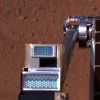
PHOE-SOL116-PIA11224.jpgLights OFF - Sol 116 (approximate colors; credits: NASA)70 visiteCAption NASA:"This approximate color image is a view of NASA's Phoenix Mars Lander's Robotic Arm Camera (RAC) as seen by the Lander's Surface Stereo Imager (SSI). This image was taken on the afternoon of the 116th Martian day, or Sol, of the mission (such as September 22, 2008). The RAC is about 8 cm (3" - inches) tall.
The SSI took images of the RAC to test both the light-emitting diodes (LEDs) and cover function. Individual images were taken in three SSI filters that correspond to the red, green, and blue LEDs one at a time.
This yields proper coloring when imaging Phoenix's surrounding Martian Environment".MareKromium
|
|
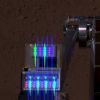
PHOE-SOL116-PIA11225.jpgLights ON - Sol 116 (extra-saturated colors; credits: NASA)69 visiteCaption NASA:"This image is a composite view of NASA's Phoenix Mars Lander's Robotic Arm Camera (RAC) with its lights on, as seen by the Lander's Surface Stereo Imager (SSI). This image combines images taken on the afternoon of Phoenix's 116th Martian day, or Sol (such as September 22, 2008). The RAC is about 8 cm (3" - inches) tall.
The SSI took images of the RAC to test both the light-emitting diodes (LEDs) and cover function. Individual images were taken in three SSI filters that correspond to the red, green, and blue LEDs one at a time. When combined, it appears that all three sets of LEDs are on at the same time.
This composite image is not true color. The streaks of color extending from the LEDs are an artifact from saturated exposure".MareKromium
|
|

PHOE-SOL116-lg33990-34005-34006-2.jpgCamera and Sky - Sol 116 (True Colors; credits: Dr G. Barca)81 visiteAnche questa immagine - processata dal Grande Dr Barca - è un Capolavoro. Onore al merito!MareKromium
|
|
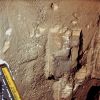
PHOE-SOL116-lg33993-33994-33995-2.jpgThe "Trench" - Sol 116 (True Colors; credits: Dr G. Barca)74 visitenessun commentoMareKromium
|
|

PHOE-SOL117-PIA11191.jpg"Headless": just like NASA... - Sol 11765 visiteCaption NASA:"The Robotic Arm on NASA's Phoenix Mars Lander slid a rock out of the way during the mission's 117th Sol (such as Sept. 22, 2008) to gain access to soil that had been underneath the rock.The Lander's Surface Stereo Imager took the two images for this stereo view later the same day, showing the rock, called "Headless", after the arm pushed it about 40 cm (16") from its previous location.
"The rock ended up exactly where we intended it to", said Matt Robinson of NASA's Jet Propulsion Laboratory, RA flight software lead for the Phoenix team.
The RA had enlarged the trench near Headless 2 days earlier in preparation for sliding the rock into the trench. The trench was dug to about 3 cm (1,2") deep. The ground surface between the rock's prior position and the lip of the trench had a slope of about 3° downward toward the trench.
Headless is about the size and shape of a VHS videotape".MareKromium
|
|

PHOE-SOL117-lg34310-34313-34314-2.jpg"Headless": just like NASA... - Sol 117 (True Colors; credits: Dr G. Barca)70 visitenessun commentoMareKromium
|
|
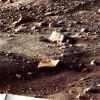
PHOE-SOL119-MF-LXT.jpgMorning Frost over Vastitas - Sol 119 (natural colors; credits: Dr M. Faccin)64 visitenessun commentoMareKromium
|
|

PHOE-SOL121-lg35670-35671-35672-2.jpgIcy Trench... - Sol 121 (Superdefinition and natural colors; credits: Dr G. Barca)67 visitenessun commentoMareKromium
|
|
| 399 immagini su 34 pagina(e) |
 |
|
|
|
|
28 | |
|
|
|
|








