After One-Thousand Soles...
|
|
|
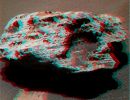
OPP-SOL1961-GB4.jpgBlock Island in 3D and Natural Colors - Sol 1961 (credits: Dr G. Barca)63 visite...E sempre in attesa della NASA, eccoVi una spettacolare resa tridimensionale (ootenuta dal Grande Dr Barca) della possibile Meteora Marziana rinvenuta da Opportunity, sulla via di Endeavour.MareKromium
|
|
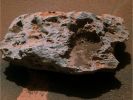
OPP-SOL1961-MF-LXT-AllFilters-.jpgBlock Island in Natural Colors - Sol 1959 (credits: Dr M. Faccin & Lunexit)63 visiteSI tratta di una meteorite? Probabilmente si. Quello che è certo è che siamo davanti ad una roccia ignea la quale presenta delle più che notevoli somiglianze con il Basalto Vescicolare - che è "indigeno", ad esempio, della Regione di Gusev Crater.
Ma ancora maggiori somiglianze sono rinvenibili fra questa roccia (il cui colore ci fa pensare alla Iron Ferrite ed al Nickel) ed un'altra "Meteorite Marziana", sempre fotografata da Opportunity, nel Sol 345 (ormai ben più di quattro anni fa!) e che noi battezzammo "Skull Rock".
Ed ora attendiamo l'Analisi NASA...MareKromium
|
|
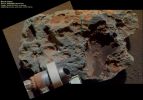
OPP-SOL1961-MF-LXT-colorprocess.jpgBlock Island in Natural Colors - Sol 1961 (credits: Dr M. Faccin)63 visiteUn fotomosaico di "Block Island" fatto come si deve dal nostro straordinario Marco Faccin. Una ricostruzione in Colori Naturali e senza errori nel montaggio dei diversi frames, dedicata alla NASA...MareKromium
|
|
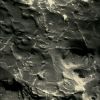
OPP-SOL1963-1M302457134IFFA5B8P2956M2F1_enh.jpgInside "Block Island" - Sol 1963 (Natural Colors; credits: Lunexit)69 visiteCaption NASA:"NASA's Mars Exploration Rover Opportunity used its Microscopic Imager to get this view of the surface of a rock called "Block Island" during the 1963rd Martian Day, or Sol, of the Rover's Mission on Mars (such as Aug., 1st, 2009).
The triangular pattern of small ridges seen at the upper right in this image and elsewhere on the rock is characteristic of Iron-Nickel meteorites found on Earth, especially after they have been cut, polished and etched.
Block Island has been identified as an Iron-Nickel meteorite based on this surface texture and analysis of its composition by Opportunity's Alpha Particle X-Ray Spectrometer. At about 60 cm (2 feet) across, it is the largest meteorite yet found on Mars.
This image shows a patch 32 by 32 millimeters (such as 1,3 by 1,3") on the surface of Block Island while the target was fully illuminated by the Sun. This target on the rock is informally named "New Shoreham". The vertical white streaks, especially near the top and bottom of the image, are artifacts caused by saturation of the camera's CCD (charge-coupled device, or image recorder) where sunlight glinted off metallic facets.
The triangular pattern in the texture of Iron-Nickel meteorites - called the "Widmanstatten Pattern" - formed more than 4.5 BY ago as the metal cooled.
In this case, one Iron-Nickel mineral, the Kamacite, formed thin layers along the surface of crystals of another mineral, the Taenite, which contains less Nickel. The two minerals differ in their resistance to either etching by acid or erosion by wind-blown sand, so those processes can make the pattern visible".MareKromium
|
|
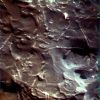
OPP-SOL1963-MF-MicroscopicImager.jpgIron-Nickel Meteorite - Sol 1963 (True Colors; credits: Dr M. Faccin)63 visiteCi sono volute ore di Lavoro per arrivare a questo tipo di immagine, caratterizzata da una qualità visiva, in termini di definizione e colorazione, largamente superiore a quella che la NASA mette a disposizione del Pubblico.
Vi preghiamo di tenerne conto, mentre la guardate e studiate.
Per quanto attiene il Dr Marco Faccin, non possiamo fare altro che ringraziarlo per quello che ha fatto, che fa e che farà per Lunar Explorer Italia e per tutti i suoi Lettori.MareKromium
|
|
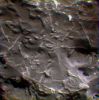
OPP-SOL1963-MIC-MF.jpgInside "Block Island" - Sol 1963 (Natural Colors; credits: Dr M. Faccin)75 visiteL'incredibile texture di "Block Island", attraverso le ottiche del Micrscopic Imager di Opportunity: come potete notare sono chiaramente visibili svariati artefatti da oversaturazione (i cd. "Effetti Goccia") i quali ci dicono che, all'interno di questa - possibile - Meteorite Marziana, dovrebbero trovarsi svariate particelle cristalline (o metalliche).
Veramente bizzarre, inoltre, ci appaiono le "stringhe" che caratterizzano la quasi totalità del dettaglio ripreso e che possono ricordare una versione "fossile" di corpi organici (sembrano, in effetti, dei "vermi" pietrificati).
Una immagine eccezionale, processata in Colori Naturali e 3D dal nostro Grande Marco Faccin, che DEVE farci pensare...MareKromium
|
|
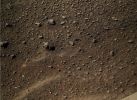
OPP-SOL1965-GB-LXT.jpgTiny Ripples, Pebbles and Dust - Sol 1965 (Natural Colors; credits: Dr G. Barca & Lunexit)63 visitenessun commentoMareKromium
|
|
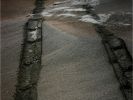
OPP-SOL1966-GB.jpgRover Tracks on Meridiani - Sol 1966 (Possible True Colors; credits: Dr G. Barca)74 visiteI complimenti, quando sono meritati, non bisogna lesinarli: ed anche questa colorizzazione delle sabbie di Meridiani, profondamente intaccate dalle ruote di Opportunity, realizzata dal nostro eccezionale Dr Barca (Big "G"), è Arte.
E come tale la consideriamo e trattiamo.MareKromium
|
|
OPP-SOL1967-1M302802795EFFA5B8P2956M2M1.jpgInside "Block Island" - Sol 1967 (Natural Colors; credits: Lunexit)63 visitenessun commentoMareKromium
|
|
OPP-SOL1967-1M302803102EFFA5B8P2956M2M1.jpgInside "Block Island" - Sol 1967 (Natural Colors; credits: Lunexit)63 visitenessun commentoMareKromium
|
|
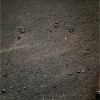
OPP-SOL1967-GB-LXT.jpgPebbles in Meridiani Planum - Sol 1967 (Natural Colors; credits: Dr G. Barca & Lunexit)63 visitenessun commentoMareKromium
|
|
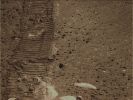
OPP-SOL1968-1P302890992ESFA5B8P2542L2M1.jpgTracks in the Desert... - Sol 1968 (Natural Colors; credits: Lunexit)63 visitenessun commentoMareKromium
|
|
| 2387 immagini su 199 pagina(e) |
 |
|
|
|
|
61 | |
|
|
|
|








