After One-Thousand Soles...
|
|
|
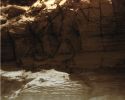
OPP-SOL1578-1P268267228ESF90B0P2537L2M1.jpgThe Inner Rim of Victoria - Sol 1578 (MULTISPECTRUM; credits: Lunexit)81 visitenessun commentoMareKromium
|
|
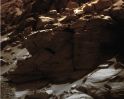
OPP-SOL1579-1P268356002ESF90B0P2538L2M1.jpgThe Inner Rim of Victoria - Sol 1579 (MULTISPECTRUM; credits: Lunexit)64 visitenessun commentoMareKromium
|
|

OPP-SOL1579-1P268378703ESF90B0P2270L1M1.jpgLooking for "Something"?!? - Sol 1579 (MULTISPECTRUM; credits: Lunexit)75 visitenessun commentoMareKromium
|
|

OPP-SOL1580-1P268466569ESF90B0P2271L1M2.jpgLooking up! - Sol 1580 (MULTISPECTRUM; credits: Lunexit)73 visitenessun commentoMareKromium
|
|

OPP-SOL1580-1P268467243ESF90B0P2271L1M1.jpgAnybody (or anything...) in there? - Sol 1580 (MULTISPECTRUM; credits: Lunexit)73 visitenessun commentoMareKromium
|
|
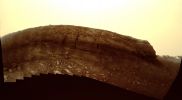
OPP-SOL1580-PIA11048.jpgDusk Lighting of Layered Textures in 'Cape Verde' - Sol 1580 (natural colors; credits: Lunexit)68 visiteFull-shade lighting in the late Martian afternoon helps make details visible in this view of the layered cliff face of the "Cape Verde" promontory making up part of the rim of Victoria Crater in the Meridiani Planum Region of Equatorial Mars.
NASA's Mars Exploration Rover Opportunity used its Panoramic Camera (Pancam) to shoot the dozens of individual images that have been combined into this mosaic. Opportunity was inside Victoria Crater and near the base of the cliff when it took these images on the 1579th and 1580th Martian Days, or Soles, of the mission (such as July 2nd and 3rd, 2008).
Photographing the promontory from this position in Victoria Crater presented challenges for the rover team. The geometry was such that Cape Verde was between the Rover and the Sun, which could cause a range of negative effects, from glinting off PanCam's dusty lenses to shadowing on the cliff face. The team's solution was to take the images for this mosaic just after the Sun disappeared behind the Crater Rim, at about 17:30 M.L.T..
The atmosphere was still lit, but no direct Sunlight was illuminating the wall of Cape Verde. The result is a high-resolution view of Cape Verde in relatively uniform diffuse sky lighting across the scene.
PanCam used a clear filter for taking the images for this mosaic. Capturing images in low-light situations was one of the main motivations for including the clear filter among the camera's assortment of filters available for use.
The face of Cape Verde is about 6 meters (20 feet) tall. Victoria Crater, at about 800 meters (one-half mile) wide, is the largest and deepest crater that Opportunity has visited. It sits more than 5 Km (almost 4 miles) away from Opportunity's Eagle Crater Landing Site. Researchers sent Opportunity into Victoria Crater to study the rock layers exposed inside. The textures seen in the rock layers of Cape Verde suggest that the exposed layers were originally deposited by wind.MareKromium
|
|
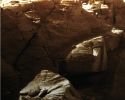
OPP-SOL1581-1P268538296ESF90B0P2540R2M1.jpgThe Inner Rim of Victoria - Sol 1581 (MULTISPECTRUM; credits: Lunexit)79 visitenessun commentoMareKromium
|
|
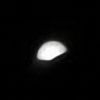
OPP-SOL1583-1P268731057ESF90B2P2633L8M1.jpgPartial Eclipse - Sol 158370 visitenessun commentoMareKromium
|
|

OPP-SOL1589-1.jpgUnexplainable "Red Spot" inside Victoria - Sol 1589 (ctx frame - natural colors; credits: Dr M. Faccin)64 visiteLe rocce laminari che vengono inquadrate in questo bellissimo frame già costituiscono - in sè - un enigma; ma ancora più enigmatica è la piccola "striscia" (una sorta di "graffio") color rosso acceso che si può distinguere nel quadrante inferiore Dx del frame.
Ipotesi? Nulla di "esotico".
Probabilmente si tratta di un image-artifact (diremmo derivante da perdita di segnale) il quale, durante il processo di colorizzazione del frame (posto in essere dal sempre bravissimo Dr Faccin), ha deciso di acquisire una "autonoma dignità"...MareKromium
|
|
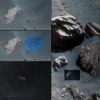
OPP-SOL1589-2.jpgUnexplainable "Red Spot" inside Victoria - Sol 1589 (photo-mosaic by Dr M. Faccin)65 visiteRicordate la bizzarra "chiazza rossa" individuate sulla Luna, durante la Missione Apollo 17 (andate a vedere, se volete, nella Sez. "Investigations", i frames intitolati "Bloody Moon" ed il commento del Dr Feltri)?
In un certo senso, questo "sbuffo rosso" che appare all'interno del Cratere Victoria - Marte - pare concretizzare un fenomeno otticamente e cromaticamente analogo a quello che individuammo in alcuni frames Apollo - Luna.
Difficile (se non impossibile...) dire di che cosa si tratta. A nostro parere, siamo davanti ad un image-artifact "sui generis"...Ma se Voi aveste idee diverse e/o migliori, scrivete!MareKromium
|
|
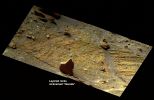
OPP-SOL1591-LXT.jpgNevada! - Sol 1591 (possible natural colors; credits: Lunexit)83 visitenessun commentoMareKromium
|
|
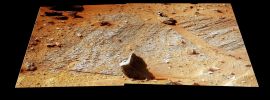
OPP-SOL1591-MF.jpgNevada! - Sol 1591 (True Colors; credits: Dr M. Faccin)65 visite...la risposta "Lunexit" al frame NASA, pubblicato quest'oggi...MareKromium
|
|
| 2387 immagini su 199 pagina(e) |
 |
|
|
|
|
36 | |
|
|
|
|








